


When considering if a school is Data Powerful, we should reflect on this thought and ask ourselves “Are we Reactive or Proactive with Data?”. A quick summary of debate would lead me to suggest that there are vast similarities but some very powerful differences between the two.
Being Data Powerful is not the ability to produce reports, statistics or comparisons. It is not identifying trends or tracking progress. It is not calculating gender attainment or summarising subject performance. Being Data Powerful is much deeper. It is a practice that leads to teachers knowing every pupil’s starting point in a series of progressive learning objectives; learning objectives which have been carefully considered to ensure a constant level of challenge for pupils of all abilities from the very start of every lesson. To view it from a more strategic level, the truly Data Powerful schools will have complete collective efficacy and belief from all stakeholders in this approach and a unified commitment to using data to adjust teaching, curriculum and community mindsets.
I include pupils in the word ‘stakeholders’ deliberately to show how a school can develop Pupil Assessment Capability. A common misconception is that the term means training pupils to pass an exam or to reach a high attainment level. This is when it is important to remind ourselves about the true nature of our profession; learning IS not achievement. An Assessment Capable pupil will know exactly where they are in their learning, where they are going and how they are going to get there. They will be resilient and resourceful. They will be self-aware and transparent and they will be open to scrutiny because they not only recognize the learning process as more important than attainment, they will believe it. They will be able to reflect on their strengths and areas for development honestly and without being afraid of failure.
Once this culture is created, pupils will thrive. From Visible Learning, we know that two of the leading practices for impact on pupil learning are pupil’s high self-expectations and their relationship with their teachers. It is a culture that has to be grown wholeheartedly throughout the whole school community to be fully effective.
Fundamentally, there is no failure in learning. If you still find yourself thinking that there is, perhaps you’ve not fully grasped the concept of Pupil Assessment Capability. Pupils should not be subjects in their own learning; they should be owners of it. They should understand their learning performance and use the information to ask their own questions and make their own decisions. With this culture embedded and a complete collective efficacy, pupils will be ready for a future that is yet to exist.
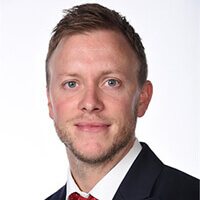
Samuel Holliday is the Assistant Headteacher, Kings' School Nad Al Sheba. Sam was born in the South West of England, which where he started his professional career. After studying a four year BEd degree, he spent six years teaching and advising the Local Education Authority with English and Language skills; achieving a Masters Degree in Primary Education in 2013. He joins us after 3 successful years as an Assistant Headteacher in Dubai where he lead on Curriculum Design and Adaptation. Sam has a strong background in Modern Education; consulting on a unique global Professional Learning Platform for children and leading professional development clusters across Dubai. Sam is a passionate educator and a keen sportsman.








 Twitter
Add a Comment
Please do not post:
Thank you once again for doing your part to keep Edarabia the most trusted education source.