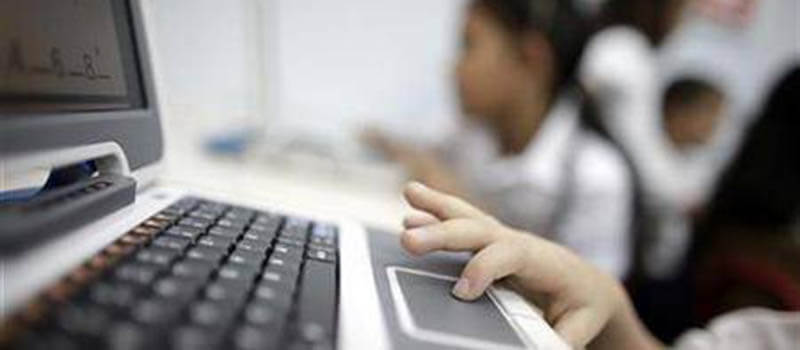
The dawn of 2021 presented hope that we might get over the Covid-19 nightmare soon. It’s March now and there is no sign of the pandemic abating soon. The dominant thought on the minds of most parents, especially of primary school-going children, is the uncertainty around schooling. What will happen in coming months? How will working parents cope with a hybrid model of schooling?
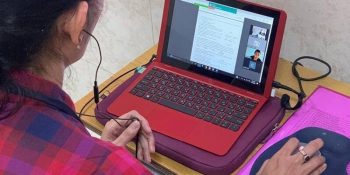
“I felt like I am failing. Juggling household chores with work commitments and two primary aged kids has been a tough act to balance,” says Aida, mother of two children aged five and four, and a working professional. “My stress and anxiety levels had shot through the roof last year when schools switched to home learning. My kids faced eating disorders and loneliness. At the start of the new academic year in September, I packed my kids off to school. We had to shift to online learning a few times in the last six months, which is when things got out of hand again.”
Alveena Sarwar, mother of two kids aged six and one, said: “It has been a challenge since March last year. My son is six; kids of his age need supervision; you cannot open the laptop and expect them to attend classes on their own and complete homework by themselves.”
Increasing demands due to home learning has also forced some parents to opt out of traditional learning for their kids. “Last year, I weighed my options and decided to home-school both my kids aged five and six. For this academic year, we have been following Seton Home Study School. It has helped me save 90 per cent of tuition fees, relieved me of anxieties around following school schedule and my work. I teach them at my pace and they are enjoying it,” says Agnes Uminga, a senior IT official and mother of two.
Many children are also facing mental health issues due to the changed dynamics. Experts at Priory Wellbeing Centre, say there has been an increase in counselling enquiries for children and youth in the last 12 months. “Studies show there is a connection between loneliness and depression. With many children and young people having missed a significant amount of schooling their mental health will naturally have suffered as a result,” says Tanya Dharamshi, Clinical Director and Counselling Psychologist at Priory Wellbeing Centre.
Nadia Brooker, Counselling Psychologist at Priory Wellbeing Centre said: “We have seen a 20 per cent rise in eating disorder referrals during the pandemic. This could be a way to ‘cope’ with social isolation, changes to routines and anxiety symptoms among students and parents of children and adolescents.”
Things might not return to normal any time soon. And while we are at it, it is a given that parents will have to work and attend to caregiving at a personal cost in order to guide their children through this pandemic. A bit of certainty around school routines could help ease parenting, and yet we cannot be sure of this.
Some issues facing students due to interrupted school year
Loneliness
With many children and young people having missed a significant amount of schooling as a result of the pandemic — up to five months in worse cases – their mental health will naturally have suffered as a result.
Tips to handle it
Tanya Dharamshi, Clinical Director, Priory Wellbeing Centre, Dubai
Separation Anxiety
For younger children ‘separation anxiety’ has been a concern. Many have become used to being constantly around their parents and may suffer from separation anxiety. Separation anxiety can affect most children at some stage or another.
Tips to handle it:
Dr Rasha, Medical Director and Specialist Psychiatrist, Priory Wellbeing Centre, Dubai
Eating disorders
Over-eating or restricting food intake can be seen by those with eating disorders as a way to ‘cope’ with feeling of not being in control, social isolation and changes to people’s routine and home lives.
Tips to handle it:
Nadia Brooker, Counselling Psychologist, Priory Wellbeing Centre, Dubai
© Khaleej Times








 Twitter