


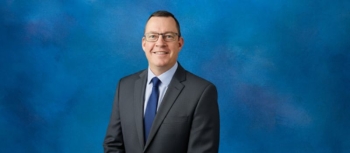
Edarabia had the opportunity to interview Principal Adam Ashton of the Overseas Family School in Singapore. Principal Ashton shared his insights on the school’s plans for 2025, the future of education, and the importance of creating an inclusive and supportive learning environment for all students.
My focus will be on fostering growth, innovation, and a strong sense of community within our school. A key priority will be continuing to develop and enhance our curriculum to meet the evolving needs of our students, ensuring they are well-prepared for their futures.
Equally important is supporting our teachers by providing effective and meaningful professional development opportunities. By equipping our educators with the latest tools and strategies, we empower them to deliver the best possible learning experiences in the classroom.
In addition, I am committed to exploring the rapidly growing field of artificial intelligence and the issues surrounding it. Understanding the implications of AI in education and beyond will help us prepare our students to navigate and thrive in a world shaped by technological advancements.
Finally, I want to strengthen our school community by offering more engaging and enjoyable events for students, staff, and families. Creating opportunities for connection and celebration is essential to building a positive school culture where everyone feels valued and involved.
When deciding what to focus on academically each year, my approach centres on the needs of our students, the expertise of our teachers, and the evolving demands of education. We rely on data—both qualitative and quantitative—from assessments, classroom observations, and feedback from students, parents, and staff to identify areas for growth. Additionally, we stay informed about current trends in education and workforce demands to ensure our students are equipped with the skills and knowledge they need to succeed beyond high school.
For 2025, one of the key ideas we are pursuing is preparing students for the digital future. This includes continuing to integrate technology responsibly into the classroom and helping students develop digital literacy and an understanding of emerging technologies like artificial intelligence.
The field of education is always evolving, and the next five years will bring both opportunities and challenges that we must navigate with care and intention.
One significant challenge will be meeting the diverse needs of students in an increasingly complex world. As our student population grows more varied in terms of backgrounds, learning styles, and emotional needs, we must continue to find ways to support all learners equitably. This includes addressing the ongoing challenges of mental health and ensuring that every student feels safe, supported, and empowered to succeed.
Another challenge lies in adapting to the rapid pace of technological change, particularly with the rise of artificial intelligence and its implications for teaching and learning. While AI has the potential to enhance education, it also raises important questions about ethics, equity, and the role of human connection in the classroom. Balancing innovation with thoughtful implementation will be critical.
Teacher recruitment and retention is always a pressing issue. The demands on educators are higher than ever, and ensuring we can attract, retain, and support exceptional teachers will require creativity, investment, and a strong commitment to professional development and wellness initiatives.
Keeping students engaged in learning, especially those who struggle or seem unmotivated, is one of the most important aspects of our work as educators. It begins with building strong relationships. When students feel seen, heard, and valued by their teachers, they are more likely to invest in their education. Our teachers work hard to connect with students individually, learning about their interests, strengths, and challenges to create a supportive environment where they feel encouraged to take risks and grow.
Another key approach is ensuring that learning is relevant and meaningful. When possible, we strive to design lessons and activities that relate to students’ lives, interests, and goals. Whether it’s incorporating real-world applications, using technology creatively, or connecting academics to potential career pathways, we want students to see how what they’re learning matters beyond the classroom.
For students who struggle, personalized support is essential. This might involve providing additional resources, targeted interventions, or alternative methods of instruction. We also encourage a growth mindset, helping students understand that challenges and setbacks are part of the learning process and that their effort can lead to success.
Ensuring that all students feel welcome and have the same opportunities to succeed is at the heart of what we do as a school. Our approach begins with our Peer Mentors who greet our new students on their first day and help them to integrate into our school community. We feel this helps to foster an inclusive and supportive environment where every student feels valued, respected, and safe. To support this, we strive to make equity a guiding principle in everything we do. This means identifying and addressing barriers that might prevent some students from reaching their full potential, whether those barriers are academic, social, or structural. We provide tailored support through interventions, resources, and programs designed to meet the unique needs of each student, from academic tutoring to counselling and mentorship opportunities.
Our curriculum and extracurricular offerings are designed to reflect and celebrate the diversity of our student body, ensuring that all students see themselves represented and have pathways to pursue their passions and interests. We also provide professional development for our staff to ensure they are equipped to meet the needs of all learners, including those from historically marginalized or underrepresented groups.
Student voice is another critical piece of our work. We regularly seek input from students and families to understand their experiences and identify areas for improvement. By listening and responding to their feedback, we can create policies, programs, and practices that genuinely reflect the needs of our school community.
Our school is proactive in addressing student stress and bullying, as we recognize the significant impact these issues can have on students’ well-being and academic success. We take a holistic approach, focusing not only on prevention but also on creating a supportive environment where students feel safe and equipped to manage challenges.
In terms of student stress, we provide a variety of resources to help students cope with academic pressures, social challenges, and personal issues. This includes access to our Welfare Advisors and mental health workshops. We also promote a culture of open communication, where students feel comfortable reaching out for support, and teachers are trained to recognize signs of stress and offer help when needed. Additionally, we work closely with families to ensure that students have a strong support system both at school and at home.
When it comes to bullying, we have clear anti-bullying policies in place and a zero-tolerance approach to any form of bullying—whether it’s physical, verbal, or cyber. We educate students about the importance of respect, kindness, and inclusion through regular discussions, workshops, and awareness campaigns. Our teachers and staff are trained to identify bullying behaviour and intervene promptly, ensuring that students who are affected feel supported and that those engaging in bullying behaviour understand the consequences and the importance of positive peer relationships.
Beyond this, we offer a range of restorative practices and conflict resolution programs that allow students to address issues in a constructive way, fostering empathy and mutual understanding.
Helping students develop the skills they need for life after graduation is one of our top priorities. We recognize that success after high school isn’t just about academic achievement, but also about developing the skills necessary to navigate life’s challenges and opportunities.
We focus on providing a well-rounded education that includes not only rigorous academics but also practical life skills. Our curriculum emphasizes critical thinking, problem-solving, communication, and collaboration—skills that are vital for success in both university and the workforce. We encourage students to take on leadership roles, work on group projects, and engage in discussions that challenge them to think critically and independently.
In addition to academic preparation, we offer various programs designed to help students develop social-emotional skills, including resilience, self-regulation, and empathy. We provide opportunities for students to explore their interests and passions through electives, internships, and community service projects, helping them gain a better understanding of their strengths and career aspirations.
For those planning to attend university, we provide university preparation resources, including SAT prep, application assistance, and financial aid guidance. We also offer workshops and information sessions to ensure our students are in the best possible position to make informed decisions. We also arrange for universities from around the world to come to our campus to offer information sessions for our community.
Parents and the broader community play a crucial role in making our school a better place for students. We believe that building strong partnerships between school, home, and the community is essential to fostering a supportive, inclusive environment where all students can thrive.
We encourage active parental involvement in a variety of ways. Parents are invited to attend school events, join our parent association, and participate in workshops and information sessions designed to support their children’s education. Regular communication is key, and we provide multiple channels for parents to engage with teachers and staff, whether through parent-teacher conferences, email updates, or our school’s online portals. By keeping parents informed and involved, we help them play an active role in their child’s academic and personal growth.
Developing a school culture that attracts and retains great teachers is essential to providing a high-quality education for our students. We understand that teachers are the heart of our school, and fostering a positive, supportive environment is key to ensuring they feel valued, motivated, and equipped to do their best work.
First and foremost, we focus on creating a culture of collaboration and professional growth. Teachers are not isolated in their classrooms; instead, they work together to share best practices, develop innovative teaching strategies, and solve challenges as a team. This collaborative environment fosters a sense of belonging and professional pride, allowing our educators to continually grow and improve. We offer regular opportunities for professional development, tailored to individual needs and interests, and encourage teachers to take leadership roles in initiatives that align with their passions.
We also prioritize work-life balance, recognizing that teaching can be an emotionally and physically demanding profession. Our Social Committee organise weekend hikes, bike and walking tours, as well as other fun activities designed to foster and build friendship and community outside of school hours.
Another important aspect is recognizing and celebrating our teachers’ hard work and achievements. Whether through shout-outs during school meetings or simple thank-you notes, we make sure our teachers feel appreciated for the vital role they play in shaping students’ lives.
Lastly, we recruit teachers who share our values of equity, innovation, and student-centred learning. We seek individuals who are passionate about education, committed to professional growth, and eager to make a positive impact in the lives of our students. By carefully selecting teachers who align with our school’s vision, we build a strong, cohesive team that is dedicated to creating the best possible learning environment.
Yes, our school is deeply committed to providing growth opportunities for teachers, especially when it comes to leadership roles. We believe that the best leaders are often those who have a deep understanding of our school culture, values, and students, which is why we prioritize promoting from within. By offering leadership opportunities to our current staff, we reward their hard work and service while also ensuring that our leaders are people who truly understand and are committed to our school’s mission.
We provide various avenues for teachers to develop leadership skills and take on new responsibilities. This can include leading professional development sessions, taking on mentorship roles, coordinating committees, or spearheading school-wide initiatives. These experiences allow teachers to build their leadership capabilities and gain valuable insight into what it takes to guide the school forward.
Our internal promotion policy ensures that staff who have demonstrated dedication, expertise, and a passion for our school community are recognized and given the opportunity to take on greater leadership roles. We believe that this not only strengthens the school culture but also fosters a sense of ownership and loyalty among our team.
Both our Model United Nations (MUN) Program and our Competitive Sports Program offer invaluable experiences that can have a lasting impact on a student’s future, but in different yet complementary ways.
The Model United Nations (MUN) program is an incredible opportunity for students to develop critical skills that are essential in today’s globalized world. Through MUN, students engage in debates, negotiations, and problem-solving exercises, which strengthen their communication, public speaking, and leadership abilities. They learn to research complex global issues, think critically, and collaborate with peers from diverse backgrounds. These skills are not only valuable in academic settings but are also highly sought after in any professional field, particularly in areas such as diplomacy, international relations, law, and business. Additionally, the confidence and poise gained from participating in MUN sets students up for success in any future career or higher education environment.
On the other hand, our Competitive Sports program provides students with essential life skills that extend far beyond the athletic field. Through sports, students develop discipline, resilience, teamwork, and time management—qualities that are crucial for success in any future endeavour. The experience of competing at a high level teaches students how to handle pressure, overcome setbacks, and work collaboratively toward a common goal. These lessons are directly transferable to academic, professional, and personal situations. Moreover, being involved in sports often fosters a sense of community and school spirit, creating lasting friendships and a strong support network that can benefit students throughout their lives.
Both programs prepare students for the future by helping them build confidence, critical thinking, and interpersonal skills. Whether they’re negotiating solutions at an MUN conference or leading a team to victory in sports, students involved in these activities are developing the leadership, resilience, and teamwork abilities that will serve them well throughout their lives.
As a principal, my definition of success goes beyond academic achievement alone; it’s about the holistic development of each student and the positive, lasting impact we have on their lives. Success means ensuring that every student leaves our school not only with the knowledge and skills they need for the next step in their academic or professional journey but also with the confidence, resilience, and character to navigate the challenges of life as well as fonds memories of their school community.
Success is about creating an environment where students feel safe, valued, and supported—an environment that fosters curiosity, encourages collaboration, and cultivates a love for learning. It’s about empowering students to discover their passions, develop leadership qualities, and embrace their unique potential.
Don’t be too self-critical and set cynicism aside—focus on the good in people and situations, and remember that the greatest achievements come when we work together with open minds, optimism, and a shared purpose.







 Twitter
Add a Comment
Please do not post:
Thank you once again for doing your part to keep Edarabia the most trusted education source.