


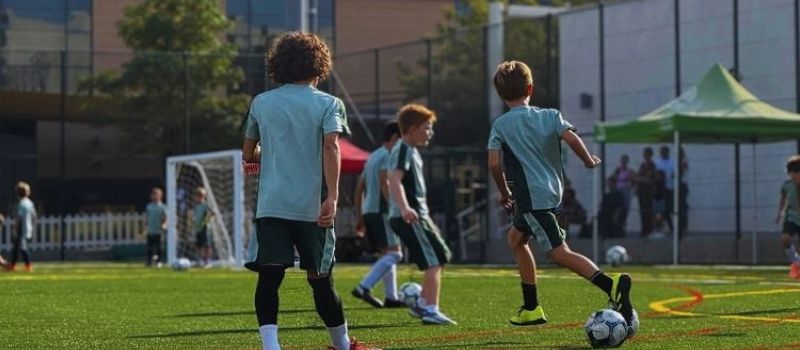
When routines are disrupted, one of the first things children lose is structure.
School days feel different, social interaction changes and the small, predictable moments that help children feel settled can disappear. While much of the focus during these periods is on academic continuity, there is another element that plays a vital role in helping students stay balanced: movement.
At Arbor School Dubai, sport and physical activity are not treated as an optional extra. They are a core part of how the school supports student wellbeing, confidence and day-to-day structure – particularly during times of change.
More than physical activity
Sport is often associated with competition or performance, but its value goes far beyond that.
“Sport provides something very simple but very powerful during uncertain times, which is structure and familiarity,” says George Spurling, Associate Assistant Headteacher at Arbor School.
Having a consistent point in the day to move, train or take part in a shared challenge helps give students a sense of normality, even when other parts of their day may feel different.
It also creates a positive outlet. Physical activity can help reduce stress, improve focus and give students a way to reset – something that becomes particularly important when learning is taking place at home.
Keeping students engaged and involved
One of the challenges during periods away from school is maintaining engagement, particularly for students who may begin to feel disconnected or less motivated.
Movement can play an important role here.
At Arbor, students are encouraged to take part in shared challenges, remote sessions and low-pressure activities that keep them involved without adding unnecessary pressure. These experiences help students stay engaged with their peers and maintain a sense of shared purpose.
Even simple activities can make a difference. A short movement break, a team challenge or a regular point in the day dedicated to activity can help anchor the day and create something students look forward to.
Building confidence in a different way
For many students, confidence does not return all at once. It builds gradually.
Sport and physical activity often provide a more accessible starting point than academic work, particularly for students who may be feeling uncertain or unsettled. Low-pressure participation allows students to experience small successes, rebuild momentum and regain a sense of capability.
Over time, this confidence carries through into other areas of school life.
Supporting the whole child
Alongside movement, schools still play an important role in supporting learning and wellbeing more broadly.
At Arbor, this includes a structured but flexible approach to distance learning, regular check-ins and strong communication with families.
“We’ve been very mindful to prioritise quality over quantity,” explains Kathryn Keeshan, Head of Primary. “Learning tasks are purposeful and manageable, with a clear focus on what matters most.”
The aim is to ensure that students feel supported and able to engage, rather than overwhelmed.
A simple message for families
For parents, the pressure to balance learning, wellbeing and daily life can feel significant.
The message from schools like Arbor is reassuringly simple: focus on consistency, allow time for movement and don’t aim for perfection.
“You don’t need to replicate school at home,” Kathryn adds. “Small, steady steps each day make the biggest difference.”
Looking ahead
While academic learning remains important, periods of disruption highlight something more fundamental.
When students have structure in their day, opportunities to move and ways to stay engaged with others, they are far more likely to feel settled, confident and ready to learn.
At Arbor School, sport is not separate from this. It is part of the foundation that helps students stay balanced – wherever they are learning.









 Twitter
Add a Comment
Please do not post:
Thank you once again for doing your part to keep Edarabia the most trusted education source.