


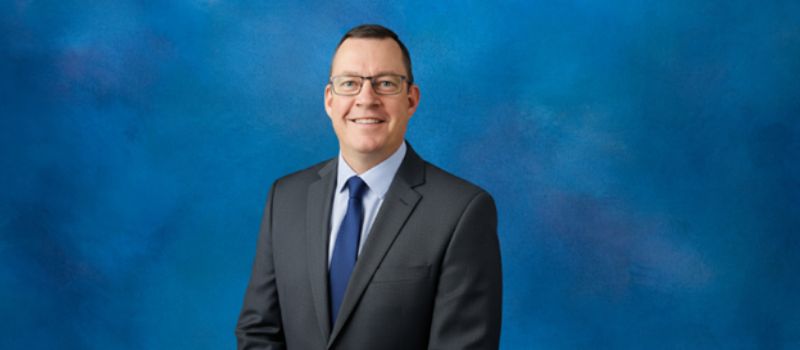
Edarabia had the opportunity to interview David Parsons, Principal of Maplewood Canadian International School, Abu Dhabi, to discuss how the school is preparing students for a future shaped by rapid technological change, evolving career pathways, and growing expectations around wellbeing and digital responsibility. In this conversation, he shares insights on adaptability, ethical learning, inclusion, resilience, and building meaningful connections within the school community.
Rather than focusing only on tools, we focus on understanding. Students learn how AI systems work, where they are useful, and where human judgment is still essential. Our goal is not just technological familiarity, but responsible and thoughtful use aligned with academic integrity.
We have seen positive changes in student interaction. Breaks and social spaces are more active, and classrooms have fewer distractions. The shift reinforces something we have always valued: meaningful conversation, collaboration, and attention to learning.
We approach AI the same way we approach any powerful tool in education: with clear expectations. Younger students focus on fioundational skills, while older students learn how to use AI critically, ethically, and transparently as part of research, inquiry, and problem-solving.
In an international school, these subjects are essential in helping students understand the country they live in. We aim to connect learning to culture, history, and contemporary life in the UAE so that students develop both respect and meaningful understanding ofi the society they are part of.
Adaptability, ethical decision-making, and the ability to communicate across cultures. The Alberta education program emphasizes strong academic foundations while developing students who can think critically and apply learning in real-world contexts.
We encourage exploration. Through varied coursework, projects, and conversations with teachers and counsellors, students learn that career paths evolve. The Alberta education program provides a strong academic foundation while allowing students to develop the critical thinking and adaptability needed as opportunities change.
Strong relationships with students allow teachers to recognize individual strengths and interests. Differentiated instruction, varied assessments, and co-curricular opportunities all help students find areas where they can grow and contribute.
Resilience develops through challenge. Students are encouraged to take risks in learning, reflect on setbacks, and try again. When teachers model patience and persistence, students begin to see challenges as part of the learning process.
9. With rising academic pressures, what “boots-on-the-groundˮ support systems are in place to catch signs of burnout before they become crises?
We rely on strong connections between teachers, counsellors, and families. Early conversations, manageable workloads, and strong relationships allow us to notice when students need support early and respond before concerns escalate.
Inclusion means more than placement in a classroom. Our focus is ensuring students have the supports, strategies, and confidence to participate fully in school life and demonstrate their abilities.
Students need to understand that their online presence follows them. We emphasise responsible communication, respectful engagement, and the long-term impact of digital choices as part of digital citizenship.
Parents are essential partners in a studentʼs education. Open communication between school and home helps ensure students experience consistent support, expectations, and encouragement. When families and schools work together with trust and transparency, students benefit both academically and personally.
Change works best when teachers are part of the conversation. Professional collaboration, shared learning, and practical training help teachers integrate new approaches without losing the strong instructional practices they already bring.
Schools succeed when students feel known, supported, and challenged. When a community of teachers, families, and students works together with a shared purpose, young people develop the confidence and character needed to contribute positively wherever life takes them.






 Twitter
Add a Comment
Please do not post:
Thank you once again for doing your part to keep Edarabia the most trusted education source.