
Five new studies backed by the Early Childhood Authority aim to deepen scientific understanding of the factors shaping early childhood experiences across the emirate
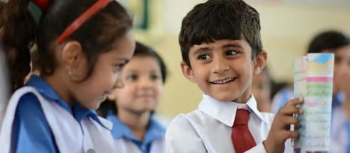
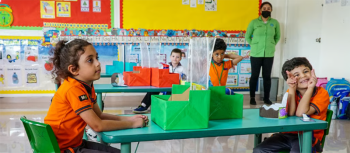
What does school look like through a child’s eyes? How much influence do parents really have on learning outcomes? And in a world increasingly shaped by technology, how are Emirati traditions being passed on to the next generation?
These are some of the key questions researchers in Abu Dhabi will seek to answer under five newly funded studies launched through the third cycle of the Abu Dhabi Early Childhood Authority’s (ECA) Research Grants Programme.
The initiative aims to deepen scientific understanding of the factors shaping early childhood experiences across the emirate, while generating evidence that can help policymakers, educators and families better support young children.
The studies will explore how children, parents, and caregivers perceive teachers and schools, and how those perceptions influence academic achievement and social development. Researchers will also examine how families, technology and changing lifestyles are reshaping cultural identity and traditions among Emirati children.
The projects are being implemented in collaboration with leading academic institutions, including the Emirates College for Advanced Education and United Arab Emirates University.
Understanding the world through a child’s eyes
Several of the funded projects focus on education and family engagement, including the use of artificial intelligence to understand children’s feelings towards school, strengthening partnerships between families and education providers, and examining how educational leadership can improve parental involvement.
For ECA, the goal is to ensure that policies and programmes are informed by a deeper understanding of children’s lived experiences.
Dr Yousef Al Hammadi, Executive Director of Knowledge and Impact at ECA, highlighted the importance of evidence-based decision-making.
“Every child’s experiences in the early years are shaped by the people, environments, and systems around them. We’re investing in research that reflects the unique needs and experiences of children and families in Abu Dhabi, helping us better understand what they truly need.”
He added: “Our goal is that policymakers and practitioners can make more informed decisions that support children’s learning, development, and long-term wellbeing.”
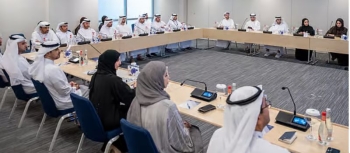
Alongside funding research, the authority has also introduced capacity-building initiatives for researchers. One such programme included a specialised workshop on child assent, helping researchers adopt ethical and age-appropriate approaches when engaging children in studies.
Preserving culture in an evolving society
Beyond education, the research programme is also examining how Emirati culture and traditions are being transmitted across generations in an era shaped by technology and social change.
The studies will investigate how cultural practices influence child development and quality of life, while also exploring shifts in traditional approaches to nutrition, caregiving and family life.
For Hamda Al Suwaidi, Head of Research and Continuous Development at ECA, ensuring that children’s perspectives remain central to the research process is a key priority.
“Research should not only be about children, it should be informed by their experiences whenever appropriate and conducted in ways that are safe, ethical, and age-appropriate,” she said. “Through these projects, we are helping ensure that children’s voices and wellbeing remain at the heart of the research process.”
ECA Research Grants Programme
Since 2020, ECA has awarded 23 research grants, with total funding reaching nearly Dh 25 million. Research supported through the programme has been published in more than 25 international academic publications and presented at over 135 local, regional and international conferences.
The initiative has also helped build national research capacity, training more than 100 early-career Emirati researchers across disciplines ranging from psychology and public health to economics and engineering.
© Khaleej Times













 Twitter