


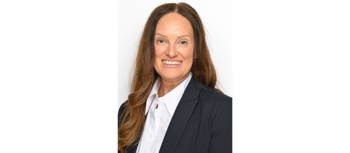
Edarabia had the opportunity to interview Nina Hartikainen, Head of School at Finland Oman School, to discuss the school’s vision, educational strategies, and future plans. The conversation delved into topics such as academic focus, student well-being, skill development, and community involvement, providing insight into the school’s unique approach to education
We will embark on planning and implementing new educational programs alongside the existing Omani bilingual curriculum. As an IB candidate school, our academic year is filled with extensive training, innovative planning, and dynamic execution. Our vision is to create a thriving learning community that celebrates academic excellence while empowering students to develop essential skills for their future.
These decisions typically arise from necessity, reflecting the collective needs of our students, parents, and the broader learning community, and align with our educational programs and curriculum. It is through the vision of the school owners that we identify a guiding path to empower and prepare our students for a successful future. Our initiatives are also integrated with the curriculum and educational programs we are currently implementing.
Firstly, we need to prepare ourselves to adapt to the quickly changing world around us. As educators, we should find ways to use AI in our lessons while keeping our students’ creativity intact. With so much information available, we play an important role in helping students figure out what is relevant to them and how everything is connected. The many sources of information and gadgets can overload some students. So, we all share the responsibility of looking after our students’ well-being and mental health.
Secondly, as job markets evolve, the skills demanded for future employment will also change. Education systems must proactively anticipate these shifts and adapt their curricula to ensure that students are well-prepared for emerging fields such as automation, data science, and renewable energy.
Connecting learning to real-world experiences, promoting active and hands-on engagement, and establishing achievable goals are essential. Additionally, fostering a positive and supportive learning environment that ensures safety for all is crucial. Celebrating students’ strengths can motivate them, and collaborating with parents further enhances this effort.
Creating an inclusive learning environment is essential to provide support for all students who may need it. This involves addressing diverse learning needs and ensuring that learning materials and technologies are accessible to everyone. Implementing differentiated instruction and flexible assessment methods is crucial. Additionally, fostering positive relationships and encouraging student voice and agency will help ensure that all students feel welcome and have equal opportunities to succeed.
We aim to prioritise friendly and respectful collaboration among all participants. By fostering a positive spirit and environment, we plan to organize collaborative activities that will help students get to know one another better, serving as a proactive approach. Additionally, we will introduce “Buddy Lessons,” where older students will engage in mutual activities with younger peers. We have a social worker who actively collaborates with classes and meets students regularly. Also, our homeroom teacher model ensures that our students have adults to turn to whenever they have worries or just want to share their thoughts. We want to foster a culture of the FOS family where everyone cares for and looks after one another.
One of the distinctive features of our school is our emphasis on skills learning. We will discuss ATL skills —approaches to learning—highlighting that skill development is an
ongoing process integrated into our daily school life.
Firstly, we aim to make it clear to our students that they are actively acquiring essential skills such as communication, critical thinking, self-management, and research abilities. Through the cultivation of these skills, our students will enhance their critical and problem-solving abilities, manage their emotions, foster adaptability, improve their communication, build emotional intelligence, and collaborate effectively in teams. These skills are not just theoretical; our students practice them in their everyday school experiences, demonstrating that this learning occurs in all aspects of their lives.
We warmly invite parents to join our vibrant learning community, recognizing their essential role in the educational process. Throughout the academic year, we organize diverse events designed to foster connections and encourage parental involvement. These gatherings not only offer a welcoming atmosphere for parents but also serve as opportunities to deepen their understanding of our school’s initiatives, curriculum, and the remarkable progress their children are making. By actively participating in our community, parents can establish stronger ties with educators, collaborate on their children’s educational journey, and celebrate their children’s achievements together. Many parents want to see their children’s learning outcomes and are actively participating in our events at FOS.
We aim to develop a school culture where everyone is valued, and respectful communication is fostered among all members. Additionally, we strive to create an environment of transparency, trust, and equity. We achieve this by emphasizing teamwork, which ensures that everyone’s voice is heard. Our school is also committed to supporting professional growth for all staff members.
I believe that the after-school activity with the most significant positive impact on a student’s future largely depends on their personal interests. However, there is a strong argument for engaging in extracurricular activities that cultivate essential life skills such as leadership, teamwork, problem-solving, and self-expression. Activities that can greatly enhance a student’s development include sports and athletics, music and performing arts, as well as drama, STEM, and debate clubs.







 Twitter
Add a Comment
Please do not post:
Thank you once again for doing your part to keep Edarabia the most trusted education source.