


Edarabia had the opportunity to interview Principal Mrs. Sahar Al Marzouki of Al Faris International School to gain insights into her vision for the school’s future, the challenges facing education in Saudi Arabia, and her strategies for ensuring student success and well-being. Mrs. Al Marzouki’s passion for education and her commitment to providing students with a transformative learning experience were evident throughout the conversation. Her innovative approach and dedication to continuous improvement make Al Faris International School a beacon of educational excellence in the region
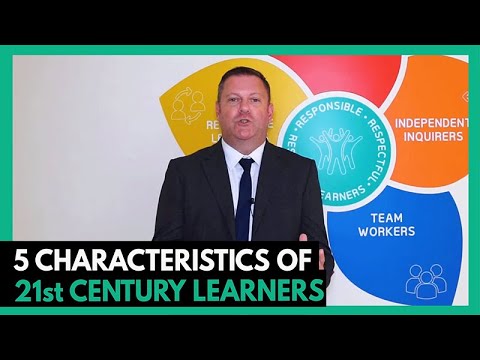
In 2025, we remain committed to pushing the boundaries of education by expanding our technology-driven solutions, launching new STEAM (Science, Technology, Engineering, Arts, and Mathematics) programs, and fostering global partnerships that enhance cultural exchange and collaboration. Our focus is on equipping students with 21st-century skills and ensuring inclusivity in academic excellence, inspiring hope for the future of education.
I approach each academic year with a balance of reflection and forward-thinking. I begin by reviewing the previous year’s achievements and challenges, focusing on areas that need growth or innovation. Feedback from students, staff, and parents plays a vital role in shaping these priorities. I also stay informed about global educational trends, particularly within the International Baccalaureate (IB) framework, to ensure we are aligned with best practices.
This year, I’m emphasizing enhancing student agency through project-based learning and incorporating more inclusive teaching strategies to support diverse learners, especially those with unique needs. I’m also exploring the integration of emerging technologies, like AI tools, to enrich classroom experiences and equip students with future-ready skills.
Definitely the most important challenge for educators in Saudi Arabia is to continually adapt our curriculums to be in line with the country’s Vision 2030, prioritizing things like STEAM, critical thinking, and entrepreneurship and preparing students for future jobs in a new labor market that will focus on diverse areas such as tech, green energy, and tourism. And a big part of this will be teacher training. Many teachers lack adequate training in modern pedagogical methods, particularly in STEM and digital technologies. Another challenge will be integrating the growing number of expatriate students into the education system while addressing cultural differences, and incorporating global perspectives into the curriculum while maintaining the cultural and religious values important to our families.
Honestly, I think keeping students interested starts with getting to know them. Every student is different, so it’s important to figure out what clicks for them—what they’re curious about, their hobbies, or even just what kind of learner they are. For example, if a child is a football fan, a teacher might use sports examples in math problems or bring up a story about an athlete who overcame challenges. It’s all about connecting the content to their world. And this is where the IB is a great program because it gives the kids opportunities to explore things that interest them in a variety of ways – activities, discussion, research, creative projects
Also, it’s important to celebrate small wins for students who are struggling. Sometimes they just need a bit of confidence or a reminder that they can get there. When they start to see progress, even in little steps, it really changes their attitude toward learning.
As an international school, we have a diverse student body representing more than 20 different nationalities. This gives us a tremendous opportunity to embrace diversity and teach students to appreciate different backgrounds, abilities, and perspectives. Our policies and programs are designed to ensure that all students have access to the same resources and opportunities, such as academic support and extracurricular activities. Teachers and staff are trained to identify and address individual student needs, whether academic, emotional, or social and our counselors are available for necessary interventions.
These are definitely two major issues facing kids and schools today, so it’s very important that we address them. It’s all about creating a culture where students feel seen, heard, and supported before issues escalate. At our school, we focus on building strong relationships between staff and students, so they feel comfortable coming to us with concerns. Anti-bullying is a continuing conversation at our school through class discussions, campaigns and activities. We make it clear that kindness, respect, and inclusion are non-negotiables in our school community. We educate students about what bullying looks like, including online, and emphasize that everyone plays a role in preventing it. Most importantly, we don’t wait for problems to show up. Teachers and counselors are trained to notice early signs of stress, isolation, or changes in behavior, so we can step in with support.
This is really about preparing the whole student, not just focusing on academics. As an IB school, we work on three key areas: academics, real-world skills, and personal growth. First, we make sure what they’re learning is relevant. We incorporate project-based learning, critical thinking, and problem-solving into classes so students see how their education connects to real life. Second, we focus on life skills—things like communication, time management and teamwork. We also encourage technology use, so they’re comfortable adapting to the tools they’ll encounter in the future.
A strong school-home partnership is essential for the success of our students. We encourage our parents to actively engage in their children’s education through regular communication with teachers, helping with homework, or attending parent-teacher conferences and orientations. A special opportunity is our student-led conference where children accompany mom and dad on a visit to their classroom, share samples of their work and enjoy an activity together. Children are proud of their accomplishments and sharing them directly with their parents in the classroom setting strengthens the connection between school and home.
Throughout the year, we welcome representatives from community organizations for educational presentations. These often lead to volunteer opportunities for our students, benefiting both the organization and the school. We also appreciate the tremendous support we receive from community businesses and entities for our school initiatives such as fundraisers, field trips, conferences and competitions.
Developing a school culture that attracts and retains exceptional teachers begins with creating a supportive, respectful, and collaborative environment. I prioritize open communication, ensuring that teachers feel heard and valued. Recognizing and celebrating their achievements—both big and small—fosters a sense of belonging. Professional development is also a cornerstone of our culture; we invest in training opportunities that align with their career goals and interests. For instance, we’re very excited to collaborate with the Queen Rania Teacher Academy to host in-person IB workshops at our Riyadh campus in January 2025. This is a fantastic opportunity, not only for our staff, but for IB educators across Saudi Arabia, who are invited to attend. Additionally, we emphasize a healthy work-life balance by encouraging realistic workloads and offering flexibility when possible. Building strong relationships based on trust and mutual respect ensures that teachers view the school as a place where they can thrive both professionally and personally.
Absolutely! Our school actively encourages teachers to grow into leadership roles by offering various opportunities for professional advancement. Teachers can participate in mentoring programs, lead departmental initiatives, and engage in curriculum development projects. We also provide pathways for them to take on formal leadership positions, such as grade-level coordinators, subject heads, or program coordinators. Additionally, we support teachers in pursuing external certifications, attending workshops, or becoming part of the IB evaluation or workshop leader teams. This focus on growth not only benefits the teachers but also enriches the overall learning community.
Definitely our Model United Nations (MUN) is the one I would choose. Since it’s launch in 2019, FARISMUN has helped our students to gain an in-depth knowledge of global issues and practice their critical thinking and communication skills. They’ve taken part in local debates and traveled to regional and international MUN conferences, and we’ve hosted three very successful conferences of our own. We’re honored to collaborate with Harvard University to host the Harvard Model Congress Middle East Conference at our school in January 2025. This event will allow our students to connect with future leaders and Harvard mentors.
Success involves creating an environment where every student is empowered to achieve their potential, every teacher is motivated, and the school serves as a positive force for change in the community.
“Empowering young minds today will build a brighter, more compassionate world tomorrow.”



 Twitter
Add a Comment
Please do not post:
Thank you once again for doing your part to keep Edarabia the most trusted education source.