


The earliest years of a child’s life offer a significant opportunity to lay the foundation for their lifelong health, well-being, and success. During this time, the relationships and environments children encounter, from nurturing interactions with caregivers to nutritious meals and opportunities for play, are essential for their healthy physical, cognitive, and social-emotional development. An inclusive and equitable early childhood education empowers children to reach their full potential.
Early childhood education settings are often a child’s first community outside the home. Since each child’s learning and development is influenced by culture-specific pathways, it is crucial for educators and schools to be aware of cultural humility, responsiveness, and their own biases. To effectively promote equity, diversity, and inclusion, early childhood education programs must intentionally embrace diverse cultures, not just for the benefit of the children and families they serve but also for the educators themselves.

In this context, Scandinavian early education has been a leader with decades of experience developing policies that ensure equal access to early childhood education and care. This approach supports families by balancing work and leisure, promoting gender equality, and providing robust welfare arrangements. Many countries admire the Scandinavian model of preschool education known for its inclusive, universal, and unique blend of care, play, and learning.
Educational materials, the physical learning environment, and educators’ attitudes are key components in fostering diversity, equity, and inclusion in early childhood education. These elements work together to create a welcoming environment where differences are recognized and valued.
Inclusive physical designs make spaces welcoming such as wheelchair access, ramps, elevators, accessible restrooms, sensory-friendly spaces, adjustable furniture, clear signages, ample light, and inclusive play areas with equipment accessible to all, regardless of physical abilities.
Books, artwork, and videos reflect diverse representations of race, ethnicity, age, gender, sexual orientation, gender identity, and physical abilities. Educators prominently display children’s artwork, especially those reflecting their cultural or ethnic backgrounds and avoid content that perpetuates harmful stereotypes. Toys such as dolls represent various cultures and ethnicities and offer gender diversity, including different clothing styles. Crayons and crafting materials also include a wide range of skin tone colors.
In an effort to make everyone feel valued and welcome, schools celebrate a variety of holidays and occasions to reflect the diverse racial and ethnic backgrounds of the children in the classroom and create a sense of belonging for all students.
Educators respond consistently to behaviors across all genders, races, and ethnicities and provide unbiased answers to questions about gender, race, ethnicity, and physical ability. Resources are fairly distributed among all classrooms and students. They acknowledge and celebrate cultural diversity regularly challenging their beliefs and perspectives on diversity, inclusion, and equity.
A fundamental principle in the Scandinavian education system is recognizing that children come from diverse backgrounds and have unique learning needs. To accommodate this diversity, early childhood education providers use various teaching methods and strategies that cater to different learning styles, ensuring all learners can access the curriculum and engage effectively with learning materials.
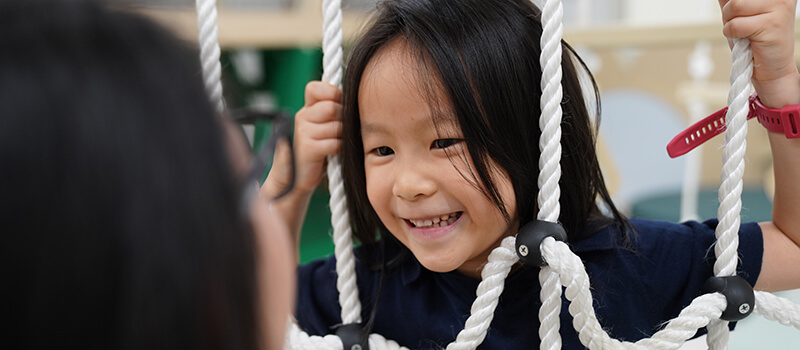
For example, educators combine auditory, visual, and kinesthetic learning activities to help children with different learning preferences grasp concepts effectively. They also use adaptive learning technology and personalized education plans to meet each child’s needs and abilities. This tailored approach ensures that each child, regardless of their performance level, has equitable learning opportunities.
Promoting Inclusion
Research indicates that inclusive early childhood settings have significant and lasting benefits for all children. When children with disabilities are included, they learn from their peers without disabilities and develop essential social and academic skills. Inclusion also promotes empathy, understanding, and acceptance of individual differences, teaching them valuable lessons in diversity, adaptability, and inclusivity. Growing up in inclusive environments helps children become tolerant and compassionate adults who advocate for inclusivity.
The Way Forward
Globally, approximately 250 million children under age 5 are at risk of poor development due to a lack of nurturing care. This deficit impacts not only the children but also their families and societies. The Dubai Declaration on early childhood development (ECD) underscores a commitment to advancing the ECD agenda and providing every child with a strong start by outlining principles and commitments to holistic nurturing care for young children and their caregivers, emphasizing collaboration.
Aligned with this, Dibber International Nurseries proudly promotes its “Heart Culture,” which fosters a positive and child-centered learning environment by surrounding children with positive role models. This unique culture creates an inclusive and nurturing atmosphere that supports children’s development, well-being, and learning, regardless of their backgrounds and individual differences. This unified foundation enables children to grow into the best versions of themselves. They also plan to introduce inclusion in a novel way in their nurseries in the MENA+ region, ensuring that children with special needs receive the support and warmth necessary to thrive in the early learning environment and thereafter.

Interested to know more about how Dibber implements equity and inclusion in its operations?
Connect with Dibber: [email protected] / 800-DIBBER









 Twitter
Add a Comment
Please do not post:
Thank you once again for doing your part to keep Edarabia the most trusted education source.