


In a time of drastic environmental change, it is more important than ever to look towards a sustainable future and prepare our young people to make the world a better place for everyone.
I first came across the concept of environmental mindfulness some years ago when living in Asia and working within schools where tropical rainforest visits were an everyday possibility. This meant that children were provided with opportunities to exist in the moment, within nature, to pause and ponder on the intricacies and wonders that could be seen in their local ecosystems. This sense of curiosity and appreciation created within the children a core sense of compassion about the world in which they lived, which could be used to generate a pro-active outlook on eco-literacy, environmental justice, and sustainability, concepts which are vital within today’s society considering the massive environmental challenges which we and our children face.
So what can we do to be more environmentally mindful? It goes beyond the superficial into a deeper appreciation of ecological issues. It understands the complexity of ecosystems and the ‘interconnectedness’ of natural systems with human life and our ways of living. It comprehends the need for people to consider the environment through all our processes, whether they be political or economic, for example, and that it is only through protecting our environment sustainably, that we can assure our world’s future.
This means that ecological literacy, or ‘eco-literacy’, should run through all we do at schools. It should be a core component not only outside of the classroom in co-curricular programmes, for example, but should be an everyday experience, being infused into every single lessons, whether it be in maths, science, English or Arabic – it’s not just for science or geography!
In this manner, project-based learning is a wonderful tool to use. It enables children to learn concepts on a deeper level, focusing on real-life problems and how they can be addressed. This enquiry-based approach develops within our children some vital attributes for an unknown future, where the currency for employers will not necessarily be content memorization, but the abilities to be inquisitive, resilient and innovative problem solvers. Indeed, these ‘soft skills’ are becoming incredibly important, and are the cornerstone of an environmental mindfulness approach, which is encapsulated within our own school learner profile – The Arbor 8.
The Arbor 8 focuses our students on becoming serene, purposeful, principled, inquisitive, positive, compassionate, innovative and resilient learners. They are a set of values which are the basis of everything we do at the school, whereby we believe that looking after the well-being of our planet is only achieved by ensuring the well-being of our children, staff and wider community. They are values which not exist through display boards or through staff role models but are actually taught within the curriculum, and in this manner, can be assessed and monitored by Learning Journey Mentors, who can ensure that children get a whole life education and an individualized school experience.
One of the points that many people inquire about when they hear about environmental mindfulness is how it will be implemented within Dubai. There are some incredible ecosystems within the UAE, including the desert, mangrove systems, and the marine environment. We are also lucky enough to have three biodomes and numerous learning gardens at the Arbor School, which mean that we can offer place-based and experiential learning all year round. We believe that Dubai is becoming increasingly aware of the need for sustainability and that our passion for an environmentally mindful approach to education is placed within the perfect city to flourish.
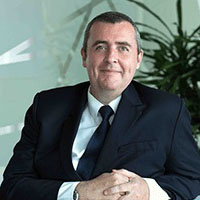
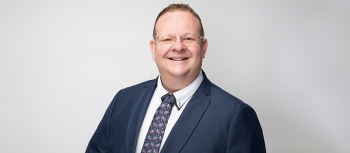
Mr. Charles Grayhurst is the Founding Principal of the Arbor School launched by education services company, Praxis - set to open in the Al Furjan district of Dubai in August 2018.
Born in the United Kingdom, Mr. Grayhurst’s studies commenced in 1993 at the University of Leeds, where he gained a Bachelor’s Degree in Geography in 1996. This was followed by a Post-Graduate Certificate in Education (PGCE) in Geography from Christchurch College in Canterbury in 1997. He furthered his studies when he obtained his Master of Arts in Educational Leadership and Management from the University of Bath in 2013.
Mr. Grayhurst has acquired over 20 years’ experience in education and international school management, including working for institutions in Sri Lanka, United Kingdom, China, Vietnam, Qatar, and Malaysia.
Before his recent move to Dubai, Mr. Grayhurst was the Founding Principal of Straits International School, Penang, and Group Executive Principal for almost six years. A frequent visitor to Dubai for holidays with his family, Mr. Grayhurst is exceptionally happy to take up the opportunity as Founding Principal of the Arbor School.







 Twitter
Add a Comment
Please do not post:
Thank you once again for doing your part to keep Edarabia the most trusted education source.