


Winter break is much shorter than the summer break in the school academic year. Winter holidays usually coincide with the Christmas holiday observed in most countries across the world, which typically last for one to three weeks. Winter holidays mostly end at the beginning of the new year. Just like the summer break, winter break means time off for students and teachers.
The origin of winter vacations is strongly associated with the celebration of Christmas and Saturnalia. According to ancient traditions, Saturnalia was observed during the same time Christmas is celebrated today. Generally, the winter period in most countries marks a very significant observance between various communities in the world. For starters, during this period, Christians celebrate the birth of Jesus Christ on Christmas Day, while others observe Kwanzaa in honour of the African heritage. However, it should be noted that other holidays existed around this time of winter, which predates the coming of Jesus, such as festivals revolving around the winter solstice.
Historically, ancient communities in the northern hemisphere celebrated the winter solstice in the same manner people celebrate Christmas today. It can be argued that Christmas substituted the holiday of Saturnalia, a celebration in honour of Saturn, the Roman god of agriculture, wealth and renewal. Saturnalia was observed on December 17th, based on the Julian calendar. This day would be marked with great feasting and making sacrifices to god. The Romans had such high esteem for this holiday that it was extended from one day to a full week of celebrations. Some historians have even reported that on this holiday, masters would serve tables for their servants. Over time Saturnalia proved to be a very significant celebration that the Romans found it hard to abandon when they shifted from paganism to Christianity, to the point they still observed the same traditions as they did in their pagan days. With time, Christian observations overwrote older pagan traditions, including the celebrations of Saturnalia.
During President Jimmy Carter’s presidency, there was a severe shortage of oil from the Gulf States, and this, in turn, affected the U.S. economy, which led to the rise in the cost of living for most. Most schools struggled to stay open during these tough times, and as a measure to balance with the reality back then, schools started to extend the winter holidays in 1979 and would have early reporting dates mostly during the summer. This helped to reduce the energy costs in the schools and allowed students to spend the week with their families during the Christmas holidays.
In most countries, the winter break is observed towards the end of the year. During this time people travel to spend time with their loved ones, mostly family and friends while others go on vacation to exotic tourist destinations. Activities such as having a barbeque outside the homesteads and feasting throughout are prevalent during this period and resemble those done during Saturnalia festivities. Christians get to celebrate the significance of the birth of Jesus in relation to the establishment of their faith. Another critical aspect of the winter break is it represents a time for introspection for most and the preparation for a new year. Many people get to gear themselves up for new beginnings and have time to reevaluate their paths. And just like any other holiday, it is a time to relax. However, the observance of this holiday differs from region to region, as indicated below:
Macedonia
In Macedonia, winter vacation is celebrated after New Year’s Eve and usually ends on January 21st.
Poland
In Poland, winter is usually observed for two weeks in January or February depending on the region.
Russia
In Russia, the winter holiday is observed for two weeks in January or February depending on the region.
Greece
In Greece, the winter holidays start during the last week of December and end after the first week of January.
The Netherlands
In the Netherlands, the winter holidays are observed for two weeks in December.
Denmark
Denmark, winter break is observed for two weeks in February.
7. Estonia
Estonia, winter holidays are observed for two weeks, usually between December 23rd and January 7th.
Croatia
In Croatia, winter vacation begins a few days before Christmas Eve and ends during the first week of January.
The USA
In the United States, winter vacation begins during the last week of December. However, this varies between states, as some have their winter holidays in February or March.
Belgium
In Belgium, the winter or Christmas holidays are observed for two weeks around the period of Christmas and New Year’s Day.
Philippines
In the Philippines, winter vacation starts in mid-December and ends during the first week of January.
In Japan, winter holidays begin during the last week of December and end during the first week of January.
China
Unlike most other countries, the Chinese winter vacation lasts for a full month. However, this varies depending on the date of the Chinese New Year.
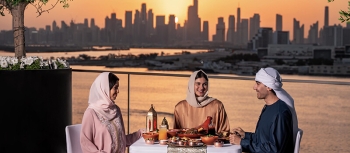
United Arab Emirates
Winter vacation in the UAE usually begins during the end of December and ends during the first week of January.
Romania
In Romania, winter break or Christmas break begins a few days before Christmas and ends after the first week of January.
Slovakia
In Slovakia, the winter holiday, also known as the Christmas holidays, usually begins before Christmas and ends after the first week of January.
Slovenia
In Slovenia, winter holidays are divided into two sections and observed in February. Usually, students take shifts to enjoy this holiday, meaning that when the first group finishes observing the break, the second section begins theirs.
Brazil
In Brazil, winter is observed during the whole month of July.
Indonesia
In Indonesia, the winter holiday is considered a mid-term break and is observed for two weeks during the last week of December and the first week of January.
Korea
In Korea, summer and winter holidays last for only one month. The winter vacation starts in mid-December and ends in late January or the first week of February.
Turkey
In Turkey, the winter holiday begins in late January and ends in early February.









 Twitter
Add a Comment
Please do not post:
Thank you once again for doing your part to keep Edarabia the most trusted education source.