


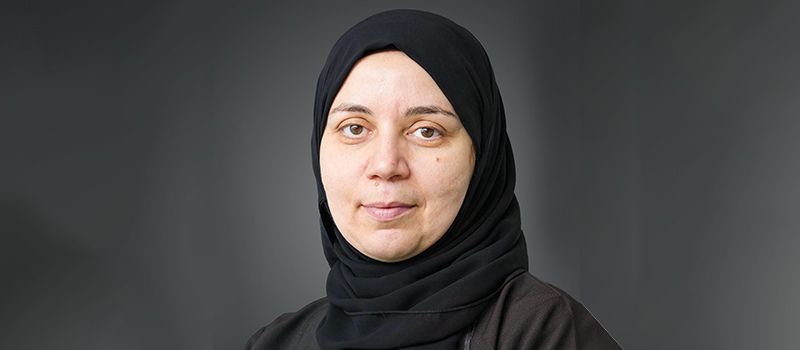
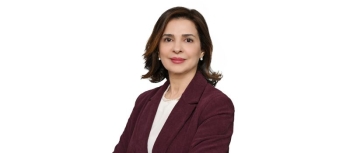
Edarabia had the opportunity to interview Dalia Kamel, Principal of the American School of Creative Science – Al Layyah, to explore how schools are balancing innovation with strong values in today’s rapidly evolving educational landscape. In this conversation, she shares insights on teaching artificial intelligence responsibly, strengthening student focus through structured digital boundaries, and embedding cultural identity within a diverse school community. She also highlights the importance of integrity, courage, adaptability, and resilience in preparing students to lead with purpose and confidence in the future.
When AI became a formal subject, we approached it not as a trend, but as a responsibility. Teaching AI is not about tools alone — it is about integrity, ethics, and discernment. For our younger students, we prioritize foundational thinking before exposure to generative technologies. For older students, we focus on responsible use — understanding bias, academic honesty, and digital accountability. Innovation must always be guided by values. Technology without integrity has no direction.
The smartphone ban reinforced something powerful: presence. We have witnessed stronger peer interaction, improved focus, and healthier social engagement. Courage, one of our core values, means making decisions that protect learning even when they require adaptation. Structure has allowed students to reconnect with collaboration and authentic human connection.
Younger students focus on foundational thinking, older students on responsible use and ethics.
Arabic, Islamic Studies, and National Identity are not isolated subjects; they are lived experiences. In our diverse community, we foster tolerance and compassion, ensuring students honor the UAE’s heritage while respecting the identities of others. Excellence rooted in faith means grounding innovation in values and cultural awareness.
Integrity, adaptability, and courage. Careers will evolve, but character sustains leadership.
Through interdisciplinary learning and real-world challenges, we prepare students to navigate uncertainty with confidence.
Students of Determination are not merely included; they are empowered through personalized pathways designed for excellence. Our educators are continuously empowered through extensive professional development. When teachers grow, students flourish. Professional learning strengthens collaboration and ensures innovation is implemented thoughtfully and purposefully.
Resilience is taught deliberately. We normalize effort, reflection, and growth. Students learn that setbacks refine them. This mindset transforms rapid global change from a threat into opportunity.
Our pastoral systems proactively monitor early indicators of stress and disengagement.
As above — empowered through personalized pathways designed for excellence.
Parents are essential partners in this ecosystem. Initiatives like Ramadan with the Family reinforce that education is a shared responsibility rooted in collaboration and compassion.
We invest heavily in our most valuable resource — our people. Our educators are continuously empowered through professional development. Through our dedicated platform, Educap, teachers have access to tens of thousands of training materials at their command. Preparing teachers is not optional; it is foundational.
Education is not about chasing change. It is about leading it — with integrity, compassion, collaboration, and courage. When faith grounds us and innovation drives us, we truly light the way to excellence.




 Twitter
Add a Comment
Please do not post:
Thank you once again for doing your part to keep Edarabia the most trusted education source.