


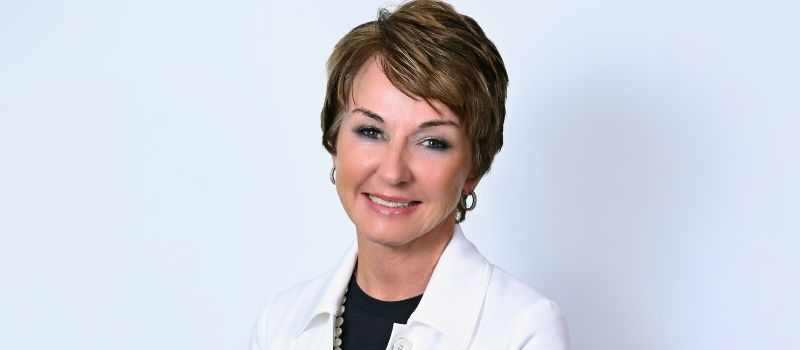
Edarabia had the opportunity to interview Ann Haydon, Principal/CEO of GEMS Wellington Academy – Al Khail, to explore how schools are preparing students for a future shaped by rapid technological change, evolving career pathways, and growing wellbeing priorities. In this discussion, she shares insights on resilience, personalised learning, digital responsibility, inclusion, and the importance of developing adaptable, compassionate young people.
AI is undoubtedly shaping the future of education and the future workplace, so schools have a responsibility to ensure young people understand both the opportunities and the responsibilities that come with it. At GEMS Wellington Academy – Al Khail (WEK), we see AI not simply as a tool, but as a form of literacy that pupils will need throughout their lives.
There are plans to integrate AI into our curriculum next year and we continue to explore how AI can be meaningfully integrated into teaching and learning in age appropriate ways and
However, while technology is important, I strongly believe the human skills will matter more than ever in an AI driven world. AI can generate information very quickly, but it cannot replace curiosity, kindness, integrity or human connection. Our role as educators is to ensure pupils learn how to use AI thoughtfully, ethically and responsibly while continuing to develop the confidence and critical thinking skills to think for themselves.
At our school, we believe in educating young people to develop healthy and responsible relationships with technology rather than relying purely on restrictions. We do not operate a complete mobile phone ban, but we do have clear expectations around appropriate use and we work very much from a position of trust and responsibility.
What remains important is ensuring that technology enhances learning rather than distracts from it. We want pupils to communicate confidently face to face, collaborate effectively, build friendships and develop emotional intelligence alongside digital literacy.
For younger children especially, it is important that foundational skills such as creativity, independent thinking, communication and problem solving are developed first and foremost. As pupils grow older, they also need to understand how AI can be used responsibly and effectively as part of modern learning and future employment.
We believe pupils should not only learn how to use AI, but also understand when to question it, challenge it and think beyond it. Ethical awareness, critical thinking and digital responsibility are essential.
The future will belong to young people who are adaptable, informed and thoughtful in the way they engage with technology. AI should enhance learning, not replace originality, curiosity or human judgement.
As an international school in the UAE, we believe it is incredibly important that pupils develop a genuine understanding and appreciation of the culture, language and values of the country they call home.
The school has a strong programme and proven record of teaching Arabic A and Arabic B and Islamic studies which has been praised by the KHDA. We believe these subjects help students develop cultural understanding, respect and global awareness.
Dubai is one of the most diverse and internationally connected cities in the world. It is important that young people are culturally competent, open minded and able to engage meaningfully with different perspectives and traditions. These subjects play a very important role in helping students develop that understanding.
If I had to identify three essential skills, communication skills, digital literacy and creative thinking. Academic success will always matter, but we want young people to leave school with confidence in themselves, resilience when things do not go to plan and the belief that they can make a meaningful difference in the world.
I have always believed that schools should help young people discover their passions and strengths, not simply direct them towards a job title. I think schools should have “passion pathways” rather than just careers pathways. The world of work is evolving so quickly that adaptability, curiosity and a willingness to continue learning will be just as important as technical knowledge.
At our school, we place great emphasis on the skills and qualities which according to the World Economic Forum are essential for the world of work in the 2030s. We help our students explore a broad range of experiences and opportunities from an early age so that they begin to understand what genuinely excites and motivates them. Whether through sport, music, drama, leadership, technology, debating, creative arts or entrepreneurship, students develop confidence in who they are and what they enjoy.
We believe it is important that pupils are resilient, flexible, open minded and solution-focused, with a strong sense of purpose and passion – they will be far better equipped to navigate an ever changing world with confidence and adaptability.
Every child is different and every child deserves to feel known, valued and supported. We work very hard to create a culture where students are encouraged to discover and develop their own strengths, talents and interests.
That comes through strong pastoral care, committed staff who care for their pupils and a culture of recognising and nurturing the individual.
We are particularly proud of the personalised pathways available to pupils, whether that is through elite sport programmes, leadership opportunities, creative arts or academic specialisms.
Education should never be about producing the same outcome for every child. It should be about helping each young person become the very best version of themselves.
Resilience is not something that can simply be taught in one lesson. It is developed over time through experience, encouragement and opportunity, in an environment where pupils pupils are able to take risks, learn from mistakes and come out of their comfort zone and are encouraged to try new things.
At our school, resilience is embedded throughout both the curriculum and the wider life of the school.
We offers a wide range of co-curricular activities, sport, performing arts, leadership, outdoor education, which encourages pupils to pursue new interests and work as a team and to bounce back when things don’t always go to plan.
One of the most important things a school can do is ensure that every child feels known and supported. Our staff work are astute and work very hard to build strong relationships with pupils so that they can quickly spot when a pupil may not be themselves or may need additional support.
We also use wellbeing surveys and regular pastoral check-ins to help us understand how pupils are feeling and where intervention may be needed. Just as importantly, we encourage a culture where students look out for one another and feel comfortable to alert trusted adults when they are concerned about a friend.
I believe wellbeing should never be seen as separate from learning. Young people thrive when they feel safe, valued, confident and emotionally supported.
An inclusive environment is one where Students off Determination are fully integrated into the school. We work closely with students and families to understand individual needs and provide the appropriate support both inside and outside the classroom. Most importantly, we want all students to feel recognised for their strengths and contributions as valued members of the school community.
Young people today are growing up in a world where their online presence forms part of their future identity and reputation which impacts on future professional and personal opportunities.
It is essential that schools help pupils understand both the opportunities and responsibilities that come with digital engagement and educate them about the appropriate use of technology and social media.
Most importantly, we want students to use digital platforms positively and thoughtfully, showing integrity, kindness and good judgement in the way they engage with others online.
The partnership between school and home has never been more important. Pupils benefit from schools working in partnership with parents and this relationship should be encouraged and nurtured. Parents know their children best and educators bring expertise in learning and development. When those two things come together with trust and shared purpose, the impact on young people can be incredibly powerful.
Ultimately, young people benefit most when they see the important adults in their lives working together to help them thrive.
Education is constantly evolving, so it is important that schools create environments where teachers feel supported, valued and confident in continuing to grow professionally and ensure that children get the best educational offering they can. Our focus is on ensuring staff receive the right training, guidance and professional development so they feel empowered to embrace innovation in meaningful and manageable ways.
Experienced teachers bring enormous wisdom, expertise and human understanding to the classroom. When that experience is combined with ongoing learning and the thoughtful use of technology, it creates incredibly powerful outcomes for students.
Be kind, be open to new ideas and the best you can be – always.





 Twitter
Add a Comment
Please do not post:
Thank you once again for doing your part to keep Edarabia the most trusted education source.