


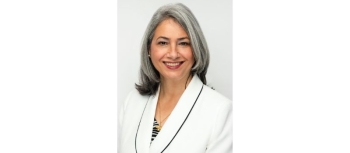
Edarabia had the opportunity to interview Mr. Djohann Iskandar Kwan Abdullah, Principal of Seven Skies Intl School Malaysia, to discuss the school’s plans for 2025, academic focus, anticipated challenges in education, strategies for keeping students engaged in learning, and their approach to ensuring inclusivity and equity for all students. Principal Djohann’s insights provide valuable perspectives on the evolving landscape of education and the school’s commitment to holistic development and student well-being.
In 2025, we aim to strengthen our commitment to holistic education, ensuring that every student at Seven Skies International School not only excels academically but also develops into a person of strong character, faith, and resilience. One of our main goals is to enhance our student recognition programmes, particularly the Academic Excellence Award, Character Development Award, and the Islamic Studies Award, to encourage a well-rounded pursuit of success.
We also plan to expand our leadership development initiatives for students and teachers, fostering a culture of agility, adaptability, and innovation. In alignment with our motto, Soar Higher, Reach Further, we want to ensure that every child is given the tools and opportunities to reach their fullest potential, whether through academic excellence, personal growth, or leadership opportunities.
Additionally, we will focus on mental well-being, ensuring that our students are emotionally and mentally equipped to navigate life’s challenges. Through enhanced student counselling, stress management workshops, and a strong support system, we aim to foster a positive and nurturing school environment.
Our academic focus is determined by three key factors:
Student Needs:
We analyse student performance, feedback, and well-being to ensure our curriculum remains relevant and engaging.
Global and Islamic Perspectives:
We integrate 21st-century skills with Islamic values, ensuring that our students are prepared for both this world and the Hereafter.
Innovative Pedagogy:
We explore agile learning approaches, technology integration, and student-led initiatives to create engaging and meaningful learning experiences.
Currently, we are exploring project-based learning, where students apply their knowledge to real-world problems, as well as interdisciplinary learning, where subjects are taught in an integrated manner. Additionally, we are investing in digital literacy and entrepreneurial mindsets, ensuring that students think critically, adapt quickly, and lead ethically.
The field of education is rapidly evolving, and we anticipate challenges in the following areas:
Keeping education relevant:
As technology advances, traditional learning models need to be redefined. Schools must balance technology with human connection, ensuring that students develop both technical skills and strong character.
Managing student mental health:
The pressures of academics, social media, and future uncertainties affect student well-being. Schools must implement preventive mental health strategies, such as stress management programmes and counselling.
Navigating economic uncertainties:
Ensuring affordable yet high-quality education will be a challenge in a fluctuating global economy.
Preparing students for an unpredictable job market:
Many careers today did not exist 10 years ago, and future careers will require adaptability, critical thinking, and emotional intelligence.
By staying agile, student-centred, and faith-driven, we can navigate these challenges and equip our students for success.
We believe that every student is capable of learning—the key is to find what excites them. To keep students engaged, we focus on:
Active Learning:
Lessons incorporate discussions, projects, hands-on activities, and real-world applications so that students see the relevance of what they learn.
Personalised Support:
We identify struggling students early and provide intervention programmes, mentorship, and alternative learning strategies to help them succeed.
Student Autonomy:
We encourage student-led initiatives, allowing them to take ownership of their learning and explore topics they are passionate about.
Strong Teacher-Student Relationships:
Motivation often comes from feeling supported. Our teachers serve as mentors and role models, inspiring students to overcome challenges and push their limits.
At Seven Skies International School, inclusion and equity are at the heart of everything we do. We recognise that each student has unique strengths, challenges, and learning styles, and we work to ensure they feel valued, supported, and empowered.
We do this by:
Providing a supportive learning environment, where every student receives individualised attention and encouragement.
Celebrating diversity, ensuring that students from different backgrounds feel a sense of belonging.
Ensuring accessibility to learning resources, including remedial programmes, enrichment activities, and counselling support.
Instilling the Islamic value of Ihsan (excellence with sincerity) so that students understand that success is not about competing with others but about being the best version of themselves.
We take a zero-tolerance approach to bullying and a proactive approach to stress management. Our Mind Matters initiative in this year’s Social Theme Event emphasises this and ensures that students have the emotional and psychological support they need.
Student counselling services provide a safe space for students to express their concerns.
Stress management workshops teach students healthy coping mechanisms.
Regular anti-bullying campaigns reinforce the importance of kindness, empathy, and standing up for what’s right.
By creating a culture of care, respect, and open communication, we ensure that every student feels safe, valued, and supported.
We focus on building resilient, ethical, and well-rounded individuals by equipping students with:
Leadership and problem-solving skills through service projects and public speaking opportunities.
Financial literacy and entrepreneurial skills, ensuring they are prepared for real-world responsibilities.
Strong moral and ethical foundations, ensuring they navigate life with integrity and confidence.
Parents and the community are our partners in education. We engage them through:
Regular parent-teacher meetings and feedback sessions.
Community service projects, where students and families work together to give back to society.
A great school starts with great teachers. We ensure this by:
Providing continuous professional development and leadership opportunities.
Creating a supportive and respectful work environment where teachers feel valued.
Encouraging innovation and creativity in teaching.
Yes! Teachers have access to mentorship programmes, leadership training, and decision-making roles within academic and student development programmes.
Character development and community service programmes—because they instil empathy, responsibility, and leadership.
Success is when our students graduate with strong faith, knowledge, and the courage to lead with integrity—ready to serve, innovate, and uplift their communities, and even the world.
“Character before excellence—because true success is defined by who you are, not just what you achieve.”




 Twitter
Add a Comment
Please do not post:
Thank you once again for doing your part to keep Edarabia the most trusted education source.