Robots in the Classroom? An Expert’s Guide to Human-Led, AI-Enhanced Teaching

Key Takeaways

  • Robot-led classrooms are unlikely because great teaching relies on human judgment, relationships, and cultural context that machines cannot replicate.
  • AI and classroom robots can add real value as assistants by personalizing practice, automating routine tasks, supporting language learning, and improving accessibility.
  • A practical human-led, AI-assisted workflow helps teachers plan, differentiate, give feedback, and track progress without losing control of pedagogy.
  • Clear guardrails on data privacy, child safety, bias, and transparency are essential before schools deploy AI or classroom robots.
  • Families can evaluate “robots in classrooms” by asking schools targeted questions about goals, evidence, safeguards, and how teachers remain in charge.

Every few months, a headline predicts classrooms led by robots. It makes for great drama—and understandable anxiety for parents and teachers. But the reality inside well-run schools is more measured: educators remain at the center, while AI and robotics are emerging as useful assistants. Think of them as power tools in the hands of skilled professionals, not substitutes for the craft of teaching.

What “Robots in Classrooms” Really Means Today

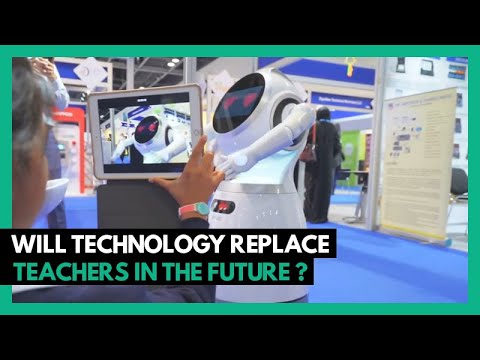
When people imagine robot teachers, they often picture humanoid machines delivering lectures. In practice, schools are experimenting with a few distinct technologies:

  • Physical robots used for engagement or specific interventions, such as language practice, early coding, or social skills coaching.
  • AI-powered software tutors and chat interfaces that adjust practice tasks to a student’s level in real time.
  • Teacher tools that draft lesson materials, summarize student data, or automate routine paperwork and feedback.
  • Assistive technologies that provide translation, speech-to-text, screen reading, or multimodal support for diverse learners.

All of these can be helpful in the right hands. None of them replaces the responsibilities and relational expertise of a qualified teacher.

Why Robot Teachers Won’t Replace Humans

Great educators do far more than transmit content. They build trust, interpret nuance, and design experiences that change how students think and feel. Several limits make fully robot-led classrooms impractical:

  • Human connection and motivation: Students learn best when someone believes in them, reads their emotions, and nudges them at the right moment. That trust is personal, not programmable.
  • Contextual judgment: Teachers weigh culture, safety, identity, and community norms. Edge cases are the norm in real classrooms, not the exception.
  • Formative assessment: A good teacher notices the puzzled glance, the creative shortcut, or the misconception hidden in an answer and responds in the moment.
  • Values and ethics: Schooling transmits civic habits—listening, disagreeing well, caring for others—that rely on modeled human behavior.
  • Accountability and safeguarding: Duty of care, legal compliance, and child protection require human oversight and responsibility.

Where AI and Classroom Robots Add Real Value

Used thoughtfully, AI can reduce friction in daily teaching and expand opportunities for students:

  • Personalized practice: Adaptive quizzing, spaced repetition, and targeted problem sets keep students in their “zone of proximal development.”
  • Feedback at scale: Draft comments on writing or worked problems help students iterate faster; teachers remain the final voice.
  • Language support: Instant translation and simplified text open access for multilingual learners and families.
  • Accessibility: Speech-to-text, text-to-speech, captions, and multimodal content reduce barriers for students with learning differences.
  • Administrative relief: Automating routine emails, rubrics, formative checks, and data summaries gives teachers time back for high-impact work.
  • Engagement: Purpose-built robots or embodied devices can make early learning, coding, or social-emotional practice more concrete and fun.

The win is not novelty; it is better learning, saved time, and wider inclusion—always under teacher direction.

A Human-Led, AI-Assisted Classroom Model

Here is a practical workflow schools can adopt without ceding control to machines:

1. Plan with purpose

Start with clear standards and success criteria. Use AI to draft lesson outlines or generate varied examples, then refine them to match your class, culture, and constraints.

2. Differentiate before class

Group students by need using recent work. Let AI suggest leveled practice sets or vocabulary supports. Approve and adjust to ensure rigor and fairness.

3. Teach live, check for understanding

Lead the mini-lesson yourself. Use quick polls or exit tickets (AI-scored if helpful) to surface misconceptions instantly. Reteach in the moment as needed.

4. Coach, don’t just correct

During practice, AI can provide hints or exemplars while you circulate, ask probing questions, and model metacognition. Keep your feedback the one that matters most.

5. Close the loop with evidence

Have AI summarize patterns across student work. You decide the next steps: interventions, enrichment, parent communication, or a shift in strategy.

Guardrails Schools Need Before Using AI or Robots

Technology should serve children, not the other way around. Implement these safeguards up front:

  • Data protection: Minimize data collected, avoid sharing personally identifiable information with vendors, and set strict retention limits.
  • Safety-by-design: Enable child-safe modes, content filters, and audit logs; require human approval before sensitive actions or messages reach students.
  • Bias and fairness: Test tools with your actual student demographics; document failure modes and mitigation steps.
  • Transparency: Tell families what is used, why, with what data, and how to opt out; publish the school’s AI policy in clear language.
  • Human-in-the-loop: Require teacher oversight for grading, placement, or discipline decisions; AI suggestions are never final on their own.
  • Procurement standards: Add accessibility compliance, offline options, and clear service-level terms to vendor contracts.

Questions Families Should Ask About “Robots in Classrooms”

  • What specific learning problem will this tool solve, and how will we know it worked?
  • How do teachers remain in charge of instruction and feedback?
  • What data are collected, who can see it, and how long is it stored?
  • What safeguards protect my child from harmful or biased outputs?
  • Is the tool accessible for students with disabilities and multilingual learners?
  • What training do teachers receive, and how is their workload affected?
  • Can my child learn effectively without this tool if we opt out?
  • What independent evidence supports the vendor’s learning claims?

For School Leaders: A Sensible Roadmap

1. Start with teaching goals

Pick one or two high-value use cases, such as feedback on writing or language support for newcomers. Avoid “tool-first” pilots.

2. Co-design with teachers and students

Run short sprints to map workflows, test prompts or robot routines, and document what actually saves time or lifts outcomes.

3. Build policy and capacity together

Publish a clear AI use policy, run professional learning that is hands-on, and create a help channel for fast support and sharing wins.

4. Measure what matters

Track student growth, engagement, teacher time saved, and inclusion metrics. Sunsets are healthy—retire tools that do not deliver.

5. Communicate openly

Update families, invite classroom visits, and share samples of student work before and after. Trust grows with visibility.

What Research and Real Classrooms Suggest

The strongest gains from AI come when technology amplifies proven practices: frequent formative checks, timely feedback, retrieval practice, and targeted small-group support. In specialized settings, simple social robots have helped some learners with attention, language, or social cues—but always as part of a teacher-designed plan. The throughline is consistent: human pedagogy sets the direction; technology accelerates it.

Looking Ahead: Tools, Not Substitutes

Robots and AI will keep improving. They will draft better exemplars, translate more smoothly, and surface patterns teachers can act on. But the heart of a classroom is trust, curiosity, and shared purpose—things built by people. The smartest bet for schools and families is not a robot-led future, but a human-led, AI-enhanced present where teachers remain the most important technology our children will ever have.

Frequently Asked Questions (FAQ's)

Will robots replace teachers?

No. Teaching depends on relationships, judgment, and values that machines cannot replicate. AI works best as an assistant that helps teachers personalize learning, save time, and reach more students while educators stay in charge.

How can AI help my child right now?

AI can provide targeted practice, quick feedback on drafts, vocabulary support for new language learners, and accessibility features like captions or read-aloud. Used with teacher guidance, these supports can boost confidence and progress.

What risks should families watch for?

Key risks include privacy, biased or incorrect outputs, over-reliance on hints, and distraction from deep thinking. Ask schools about data safeguards, child-safe settings, human review, and clear goals for when and how AI is used.

How do schools evaluate “robots in classrooms” claims?

Responsible schools run small pilots with clear success criteria, compare outcomes to a control group or prior results, and gather teacher and student feedback. They keep humans in the loop for grading and placement decisions and publish clear policies.

What skills should students build to thrive alongside AI?

Emphasize critical thinking, creativity, ethical reasoning, collaboration, and strong reading and writing. Teach AI literacy too: how to question sources, verify information, and use tools responsibly to extend—not replace—their own thinking.

About the Author

Dr. Monica Gallant is an Associate Professor at the SP Jain School of Global Management, based in Dubai. Qualified as a Chartered Accountant from Canada with an Honours Bachelor of Commerce degree, a Master’s in Education Technology and a Doctorate in Education, she began her career at Deloitte as a Senior Accountant/Auditor and then found her passion for teaching as a community college instructor.

Dr. Monica has worked in the education sector in Dubai for the past 22 years at the Higher Colleges of Technology as the Associate Dean of Business and more recently as President and CEO: The College of Fashion and Design and Dean: Esmod Dubai, French Fashion Institute. She enjoys bringing creativity, technology and authentic learning experiences into the classroom and finding ways to actively engage students.

Dr. Monica’s areas of interest include educational excellence, intercultural intelligence, entrepreneurship, women’s leadership, and Emiratization. She has a strong history of journal publications and international conference presentations.


Tags

Related Articles

Add a Comment

Your email address will not be published. Required fields are marked *

Please do not post:

  • Aggressive or discriminatory language
  • Profanities (of any kind)
  • Trade secrets or confidential information

Thank you once again for doing your part to keep Edarabia the most trusted education source.