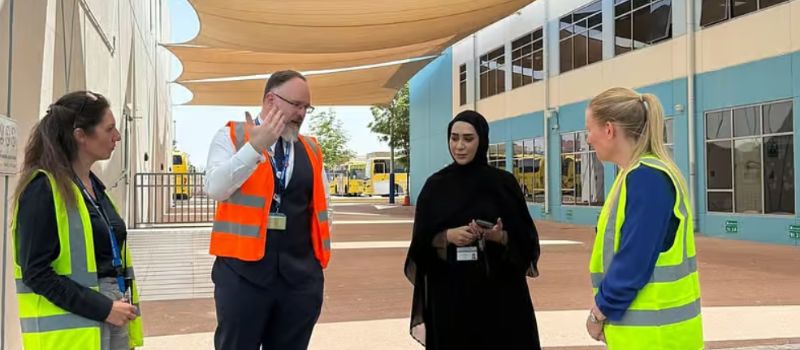
Under the new approach, every eligible private school in Dubai will receive one of two types of quality assurance visits, an inspection or a shorter monitoring visit
Dubai’s private schools are set for a fresh phase of inspections as the Knowledge and Human Development Authority (KHDA) announced the resumption of quality assurance visits from the 2026–27 academic year.
The move aims to strengthen continuous school improvement, enhance student outcomes and wellbeing, and reinforce parents’ trust in education quality across Dubai.
It also aligns closely with the emirate’s long-term vision, as reflected in initiatives such as the Dubai Education 33 Strategy, the Dubai Economic Agenda (D33), and the Dubai Social Agenda, all of which place learners at the centre of development.
Focus on continuous improvement in schools
Under the renewed framework, every eligible private school will receive either a full inspection or a shorter monitoring visit. Both better reflect schools’ day-to-day realities, with inspectors usually giving no more than 24 hours’ notice.
The approach builds on years of collaboration between KHDA and schools, giving institutions greater flexibility to strengthen internal improvement while guided by data, self-evaluation reports, and assessment outcomes.
A dedicated focus will also remain on supporting schools with high numbers of Emirati students through targeted improvement programmes.
A more targeted inspection model for 2026–27
Explaining the renewed approach, KHDA emphasised its focus on partnership and long-term impact across schools.
Fatma Belrehif, CEO of the Education Quality Assurance and Compliance Agency, said, “As we reintroduce quality assurance visits in the 2026–27 academic year, we remain committed to working in partnership with schools and the wider community to ensure every child benefits from a world-class education. The renewed approach strengthens parents’ confidence in the quality of educational choices available and supports the ambitions of our Education 33 Strategy.
“The differentiated approach recognises that schools are at different stages of their improvement journey. It allows us to focus more closely on the areas that matter most for students, while ensuring feedback is grounded in the day-to-day reality of school life. This makes the process more meaningful, more relevant, and ultimately more effective in supporting continuous improvement.”
Data-driven monitoring tools
The updated quality assurance system will continue to be guided by the UAE School Inspection Framework, ensuring consistency and familiarity for schools while introducing more agile, data-driven monitoring tools.
Behind the scenes, KHDA’s Education Quality Assurance and Compliance Agency will lead evaluations using a mix of school data, achievement results and structured analysis to determine the most appropriate type of visit for each institution.
Ultimately, the initiative is expected to sharpen school performance, support equity across the system, and further cement Dubai’s position as a global hub for high-quality education.
© Khaleej Times




















 Twitter