Education Beyond Boundaries: Matt Mills on Preparing Students for a Globalized World

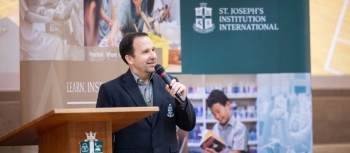
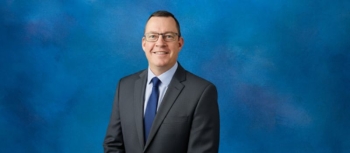
Edarabia had the opportunity to interview Matt Mills, the Superintendent of Stamford American International School, to discuss the school’s educational philosophy, innovative teaching methods, and strategies for addressing challenges in international education. In this interview, Mr. Mills shares his insights on creating a holistic and engaging learning environment that empowers students to succeed in the rapidly evolving global landscape.

1. What are the school’s key goals and initiatives in 2025?

Our vision is to inspire students to create their unique future and it’s a vision we bring to life every single day. Our students have the opportunity to choose a sought-after education pathway to help realize their academic ambitions. They are also equipped with life skills reflective of the International Baccalaureate (IB) Learner Profile as adaptive, thoughtful and principled young adults, with a fostered inclination to design, innovate, solve problems and communicate. We have an active three year Strategic Plan that focuses on Holistic Education, Student Wellbeing, Leadership, Operational Excellence and Growth.

2. How does the school determine the academic priorities for each school year, and what innovative approaches are you currently exploring?

Stamford American International School determines academic priorities and explores innovative approaches through a collaborative and strategic process rooted in its vision, mission, and values.

  • Alignment with global standards: The school follows internationally recognized curricula such as the International Baccalaureate (IB) and Advanced Placement (AP) programs, ensuring academic priorities align with global benchmarks.
  • Community and Stakeholder Engagement: Regular surveys and meetings with parents, staff, and students help shape academic priorities.
  • Strategic Planning: Long-term goals from the school’s strategic plan likely guide annual priorities.
  • Personalized Learning Pathways: Students can tailor their secondary education to their personal ambition and future plans.
  • Interdisciplinary and Project-Based Learning: We encourage students to solve real-world problems by integrating multiple subject areas, fostering creativity and critical thinking.
  • Focus on Social-Emotional Learning (SEL): Implementing programs that nurture emotional intelligence, resilience, and empathy, supporting students’ overall well-being.
  • Sustainability and Global Citizenship: Emphasizing environmental education and initiatives that encourage students to take action on global issues, aligning with the school’s commitment to developing globally minded individuals.
  • Innovation in Teaching Methods: Expanded various learning spaces and classrooms, experiential learning, and blended learning models to enhance engagement and retention.
  • Professional development for teachers to stay updated on educational innovations.

3. What significant challenges do you foresee in international education over the next five years, and how is your school preparing to address them?

International education is constantly evolving, and the next five years will bring significant challenges.

  • Global Uncertainty and Mobility Restrictions: Ongoing geopolitical tensions, economic instability, and potential health crises may impact international student mobility and enrollment. Families may seek more flexible schooling options as expatriate assignments decrease.
  • Rapid Technological Advancements: Schools must keep pace with integrating emerging technologies like AI, VR, and AR into teaching and learning while addressing ethical concerns. Preparing students for jobs that don’t yet exist requires agility in curriculum design.
  • Student Mental Health and Well-Being: Increased academic pressures and global issues like climate change and social inequality weigh heavily on students. Schools must ensure social-emotional learning and well-being programs are robust.
  • Diversity, Equity, and Inclusion (DEI): Creating genuinely inclusive and equitable school communities in a multicultural context remains a challenge.
  • Economic Pressures on Families: Rising tuition fees and cost-of-living increases may lead families to reevaluate the value of private international schools.
  • Shifting Curriculum Demands: Schools need to balance traditional academic rigor with the demand for 21st-century skills like critical thinking, creativity, collaboration, and digital literacy.

Here are some ways Stamford American International School is assessing and tackling the issues. 

  • Multiple pathways to success: Secondary schooling begins in Grade 6 with Middle School, involving the inquiry-based International Baccalaureate Middle Years Program (IB MYP) integrated with American Education Reaches Out (AERO) standards. The IB MYP framework is centered on the academic, emotional and social development of young individuals. Students then transition to High School where they will continue the MYP program in Grades 9 and 10. In Grades 11 and 12, students have a choice between Stamford American Courses, IB Diploma courses, AP courses, and BTEC courses. They may also choose a combination of courses from the various programs. Students graduate with a US accredited Stamford American High School Diploma alongside the opportunity to pursue the IB Diploma, AP International Diploma or BTEC Diploma that is aligned closely to their ambitions and future university or career plans.
  • Enhanced Well-Being Programs: Expanding access to counselors, well-being coaches, and peer support groups.
  • Technology Integration: Investing in teacher professional development to leverage emerging tools effectively. Teaching digital ethics, AI literacy, and cybersecurity to students.
  • Strengthened DEI Policies: Engaging in regular DEI audits and integrating diverse voices into all aspects of school life.
  • Fostering Global Citizenship: Expanding service learning, Model United Nations (MUN), and international exchange opportunities. Cultivating cultural competence through experiential learning and diverse classroom discussions.
  • Future-Focused Career Preparation: Offering pathways like IB career-related programs and enhanced STEM, coding, and entrepreneurship initiatives. Building partnerships with alumnis, universities and industries to ensure students are career-ready.

4. What strategies does the school use to keep all students engaged in learning, particularly those who face challenges or lack motivation?

Schools often use a variety of strategies to engage all students, including:

  • Differentiated Instruction: Tailoring lessons to meet diverse learning needs and styles.
  • Active Learning: Incorporating hands-on activities, group projects, and technology.
  • Student-Centered Approaches: Allowing choice and autonomy in learning tasks.
  • Positive Relationships: Building trust and strong teacher-student connections.
  • Support Systems: Offering tutoring, counseling, and mentorship for students facing challenges.
  • Real-World Relevance: Connecting lessons to students’ interests and future goals.
  • Frequent Feedback: Providing constructive, timely feedback to boost confidence.
  • Engagement Tools: Using gamification, interactive tools, and creative teaching methods.

5. How does the school foster an inclusive environment where every student feels valued and has equal opportunities to thrive?

At Stamford American International School, we believe in the power of belonging. A student’s sense of belonging relates to the feeling of acceptance and connection with fellow students, teachers, and the school community.

We emphasize it throughout the school – in classroom projects where students draw on family history and cultural traditions; in morning meetings and advisory where students tell stories, listen to one another and reflect on values; and in school activities where students display their passions and talents.

What steps does the school take to proactively address student well-being, including stress management and bullying prevention?

Our commitment to education goes beyond textbooks; it prioritizes the well-being and empowerment of every student. Initiatives like “R U OK? Day”, “Pink Shirt Day” and “Global Be Well Day” exemplify our dedication to creating a nurturing environment where students openly express their feelings and seek support. We don’t just educate; we empower students to chart their own paths to success.

6. How does the school prepare students with the skills and competencies they need to succeed after graduation?

There is a great deal of uncertainty and confusion surrounding college admissions, particularly to the most selective institutions. Our College Counseling program offers support for both students and parents as they make the transition, providing the information and guidance they need for a successful and positive college application. This process should be an exciting time of self-discovery and exploration, and we encourage students to focus on finding the ‘right college match’. That means identifying and applying to colleges and universities where they will be intellectually challenged and socially engaged; schools which will encourage and inspire them as global learners, thinkers, and citizens.

7. In what ways are parents and the broader community involved in shaping and improving the school’s environment?

Stamford community engagement isn’t just a buzzword; it’s a lived experience. It’s about ensuring every member, irrespective of their nationality, feels a part of the larger school family.

The school’s partnership with the Parent Teacher Association (PTA) and the parent-led vibrant chat group, comprising school representatives and country ambassadors, stands testament to this. Whether celebrating milestones, offering mutual support, or discussing school updates, this platform has become a hub of activity and camaraderie.

The strengthened bonds between the Stamford American International School and our PTA country groups are evident, but our journey doesn’t end here. The regular meetings have become a cornerstone of our community engagement strategy. We are continually looking for ways to deepen our engagement and are eager to extend similar initiatives to other country groups.

The school prioritizes open communication channels, ensuring families are well-informed and connected to school activities. Our school consistently hosts diverse community events and volunteer opportunities, fostering a dynamic sense of belonging.

8. What practices do you prioritize to create a positive school culture that attracts and retains high-quality educators?

Recruiting individuals with the right qualifications, cultural sensitivity, and a commitment to the school’s mission can be challenging. The school collaborates with reputable and international recruitment agencies that specialize in placing educators in international schools, while offering competitive compensation and professional development opportunities.

9. What professional growth and leadership opportunities are available for teachers at your school?

The school has dedicated professional development days that provide ongoing professional development opportunities for staff, including training in international and cross-cultural education, to enhance their skills and expertise.

Investment in the Adaptive Schools teaming model underscores our commitment to enhancing student learning. It promotes effective collaboration among educators, resulting in significant improvements in student outcomes.

10. Which extracurricular activity or program do you believe has the most transformative impact on students’ futures?

Stamford American International School provides well-rounded education that prizes performing and visual arts, design, and physical education in addition to the core subject areas. We also have over 300 robust free and fee-based clubs, cca and after-school programs with well-rounded offerings for every age group.

Co-curricular activities add to a sense of connection at school. Students who wish to establish their own clubs based on their interests are supported by their advisors. Clubs such as Dungeons and Dragons, Chinese Cultural Club and the Positivity Project Club help create a shared purpose among like-minded peers with similar goals.

11. As a superintendent, how do you personally define success for the school and its community?

As a superintendent, I define success as fostering a supportive, inclusive environment where every student thrives academically, socially, and emotionally. It means ensuring equitable access to high-quality education, empowering staff, engaging families, and building strong community partnerships. Success is measured by student growth, well-being, and preparedness for life beyond school, as well as the community’s trust and pride in its schools.

12. If you could inspire others globally with one guiding principle or sentence, what would it be?

“Empathy and curiosity are the keys to understanding others and unlocking the full potential of our shared humanity – approach the world with both, and you’ll help create a ripple of positive change.”
Tags

Related Articles

Add a Comment

Your email address will not be published. Required fields are marked *

Please do not post:

  • Aggressive or discriminatory language
  • Profanities (of any kind)
  • Trade secrets or confidential information

Thank you once again for doing your part to keep Edarabia the most trusted education source.