



Edarabia had the opportunity to interview James Lynch, Principal of Ambassador International Academy, to explore how inquiry-driven learning, strong wellbeing systems, and personalised pathways are shaping confident, future-ready learners. In this engaging discussion, he shares how the school fosters curiosity, strengthens collaboration, and builds resilient students prepared to lead with creativity, empathy, and innovation in a rapidly evolving world.
The introduction of AI as a formal subject marks a significant shift from simply using technology to understanding it. Within the IB framework—particularly through inquiry-based learning—we focus on helping students understand the principles behind artificial intelligence, including ethics, data literacy, and problem-solving. Younger students explore these ideas through curiosity-driven learning and creativity, while older students examine how AI can support innovation, entrepreneurship, and global problem-solving. Our aim is not simply to produce technology users, but thoughtful digital citizens who can shape the future responsibly.
Recent policy developments, such as the nationwide smartphone restrictions in schools, have also brought positive shifts in school culture. At AIA we have seen students engaging more meaningfully with one another—during breaks, in collaborative projects, and through sports and creative activities. The reduction in device distractions has improved focus in classrooms and strengthened the sense of community across the school.
Balancing the ethical use of technology is equally important. With guidelines restricting generative AI for younger students, schools must carefully scaffold digital learning. At AIA, students under 13 focus on foundational digital literacy, research skills, and critical thinking, while older students are taught to use AI responsibly and ethically as part of inquiry, research, and innovation projects. The IB philosophy encourages reflection, integrity, and academic honesty—qualities that guide how technology is integrated into learning.
Equally important is ensuring that national subjects such as Arabic, Islamic Studies, and National Identity resonate with our diverse international community. These subjects are deeply embedded in the values of respect, heritage, and cultural understanding. Through interdisciplinary learning and real-world connections, students develop a genuine appreciation of the UAE’s history, leadership vision, and traditions while also seeing their relevance in a global context.
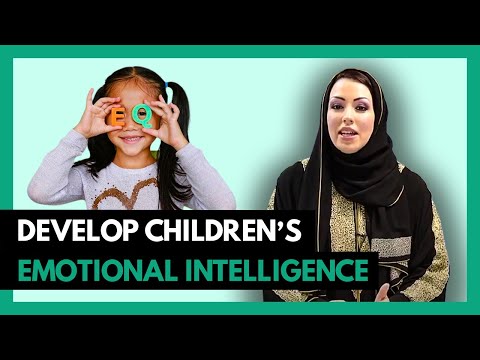
Looking ahead to the 2030s, there are three non-negotiable skills every student must develop: adaptability, creativity, and emotional intelligence. Academic success remains important, but the ability to collaborate, think critically, and lead with empathy will define success in an increasingly complex world.
Preparing students for a rapidly changing job market means teaching them how to learn, not simply what to learn.
Our IB pathways—including the Diploma Programme (DP) and Career-related Programme (CP)—provide flexibility for students with different aspirations, ensuring every learner can pursue a personalised pathway aligned with their strengths and ambitions.
This spirit of inquiry begins in our youngest learners. In our Early Years classrooms, children develop a love of learning through the internationally recognised Curiosity Approach, which encourages exploration, independence, creativity, and critical thinking. Through carefully designed learning environments and open-ended materials, our KG students develop confidence, resilience, and the ability to ask meaningful questions—skills that form the foundation for lifelong learning.
Wellbeing sits at the heart of everything we do. Schools must recognise early signs of academic pressure and provide meaningful support systems. At AIA, this includes strong pastoral care, counsellor support, and trusted relationships between teachers and students. Creating a culture where young people feel safe, supported, and inspired to take risks in their learning is essential in preparing them for an uncertain future.
None of this transformation is possible without outstanding teachers. Continuous professional development, collaboration, and wellbeing initiatives ensure our educators feel empowered and inspired rather than overwhelmed by change. When teachers feel supported, they create classrooms where curiosity, creativity, and innovation flourish.
If there is one message I would share with our community, it is this: the future belongs to those who remain curious, courageous, and compassionate. By encouraging our students to Inquire, Inspire and Innovate, we empower them not only to succeed in the future—but to shape it.







 Twitter
Add a Comment
Please do not post:
Thank you once again for doing your part to keep Edarabia the most trusted education source.