


What Is New Year’s Eve?
New Year’s Eve is the final day of the year—December 31—on the widely used Gregorian calendar. It marks the threshold between the old year and the new, a cultural pause for looking back, looking ahead, and gathering with loved ones. While New Year’s Day is January 1, many of the most recognizable traditions—countdowns, fireworks, and toasts—happen in the final hours of December 31.
New Year’s Eve vs. Other “New Years”
Not every culture marks the new year on January 1. Several calendars observe a new year on different dates, including Lunar New Year (late January or February), Nowruz (around March 20), Rosh Hashanah (early autumn), and the Islamic (Hijri) New Year (which shifts annually through the solar year). Some Eastern Orthodox communities also mark the “Old New Year” on or around January 14 due to the older Julian calendar.
When Does New Year’s Eve Happen Around the World?
Because of time zones and the International Date Line, the new year does not arrive everywhere at once. Celebrations sweep across the globe hour by hour. Here is a simple timeline to visualize the wave:
Why Do We Celebrate New Year’s Eve?
The instinct to mark the turning of the year is ancient. Early agrarian societies tied the new year to seasonal cycles of planting and harvest, linking the date to hopes for prosperity, health, and protection. Over centuries, these ideas layered with religious observance and civic custom, shaping today’s blend of reflection, ritual, and festivity.
New Year’s Eve concentrates a powerful “fresh start effect.” Visible temporal landmarks—like the first day of a year—help people separate past setbacks from future goals, boosting motivation. If you or your child makes resolutions, keep them simple and specific. Use SMART framing (specific, measurable, achievable, relevant, time-bound), pair each goal with a tiny daily action, and celebrate progress, not perfection.
Traditions vary widely, but many reflect three themes: letting go of the old, welcoming luck, and strengthening bonds with family and community.
New York City’s Times Square Ball has dropped nearly every year since 1907, making it an icon of the modern countdown. Across the country, parties often close with “Auld Lang Syne,” a Scottish poem popularized by Robert Burns in the 18th century and set to a nostalgic tune about friendship and memory.
Spain: 12 Grapes for 12 Chimes
In Spain and parts of Latin America, people eat twelve grapes—one for each clock chime at midnight—to invite luck in each month ahead. Families often gather around a TV broadcast from Madrid’s Puerta del Sol to keep time together.
Scotland: Hogmanay and First-Footing
Scotland’s Hogmanay is famed for torchlight processions, street festivals, and “first-footing,” where the first visitor after midnight brings gifts such as coal, shortbread, or whisky to bless the home. The emphasis is on hospitality, warmth, and good fortune.
Japan: Joya no Kane (108 Bells)
At Buddhist temples across Japan, bells ring 108 times to symbolically cleanse 108 earthly desires and start the new year with renewed clarity. Many families also enjoy toshikoshi soba (year-crossing noodles) to signify longevity and resilience.
Germany: Silvester and “Dinner for One”
New Year’s Eve is Silvester in German-speaking countries. A beloved quirk is watching the British sketch “Dinner for One.” Some regions pour molten lead into water (or modern safer substitutes) to “read” shapes for the year ahead.
Italians often serve lentils—coins of luck—sometimes with cotechino sausage. In Greece, families bake vasilopita, a sweet bread or cake with a hidden coin; finding it is a sign of good fortune.
Brazil: Waves and White
Many in Brazil wear white for peace and head to the beach to jump seven waves, offering flowers to Yemanjá, the sea goddess, blending Afro-Brazilian traditions with modern festivities.
Danes may smash plates at friends’ doorsteps to show affection and wish luck. In the Netherlands, families enjoy oliebollen (fried dough treats) and vivid fireworks displays.
In the Philippines, round fruits and polka dots symbolize coins and prosperity. In mainland China, January 1 is observed modestly compared with the much larger Lunar New Year that follows later in winter.
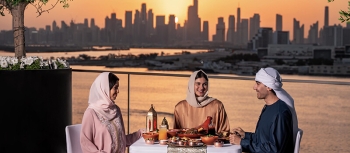
Major cities like Cape Town and Dubai host dazzling fireworks, laser shows, and waterfront festivities, drawing families outdoors for music, picnics, and community countdowns.
Whether you’re caring for young children, teens, or a full classroom, you can capture the magic of the holiday without sacrificing sleep or safety.
How to Say “Happy New Year”
Since 2000 BC, the idea of celebrating the start of a New Year was present. Although, initially New Year’s Day was celebrated during the time of the vernal-equinox which takes place in mid-March. This was a result of using the early Roman calendar which at the time had only ten months, March being the first. Later, two more months (Lanuarius and Februarius) were added to the calendar, making a total of twelve months. In 153 BC, the month of Lanuarius or the January Kalends (the first day of the month) came to be observed as the start of the new year. Although, some people continued celebrating the start of a new year around March.
In 1582, following the error in the Julian Calendar, Pope Gregory XIII encouraged the use of the Gregorian calendar. This calendar restored January 1st as the start of the new year. Most countries began celebrating the new year on the eve of December 31st, and continued until past midnight into January 1st.
While some people celebrate this holiday at parties or social gatherings with families and friends, some Christians attend late-night church services. Traditions for observing this holiday differ from one region to the next, depending on local cultures.
In Spain, people celebrate this holiday by fastening a dozen grapes to symbolize the hopes they have for the coming months of the new year. Other traditions include the use of lentils (Italy) and black-eyed peas (U.S.) to symbolize future success. Other foods which are common during this period include pork, which represents prosperity in some communities in Cuba, Hungary, Austria, Portugal, or rice pudding with a hidden almond inside, as practiced in Sweden and Norway.
Below is a list of more countries and their New Year’s Eve traditions:
Algeria
In Algeria, New Year’s Eve is celebrated among friends and family. In large cities, especially popular tourist destinations, this holiday is celebrated by attending concerts, parties, fireworks display and so on. At 8:00 p.m., the president’s message to the citizens is aired and the EPTV network annually tailors a New Year’s Eve entertainment program. Additionally, pastries referred to “la buche” are served with black coffee or soda in preparation for the New Year’s countdown.
Argentina
Traditionally on New Year’s Eve, family and friends come together to enjoy traditional dishes before heading to the streets to enjoy a display of fireworks.
Brazil
In Brazil, New Year’s Eve marks the start of the summer holiday which ends during Shrovetide. Usually, this day is celebrated at the beach, where participants wear white clothes to attract good luck in the coming year. Fireworks displays, dining with family members, music festivals and so on are very common.
Canada
Similar to New Year’s Eve traditions observed in the United States, Canada welcomes the new year with social gatherings, fireworks displays, and concerts. However, since 1992, the Royal Canadian Air Farce, Canada's number one sketch comedy troupe, started broadcasting annual programs centered on this holiday on the CBC TV network.
Mexico
In Mexico, the common tradition is eating a grape, usually 12, with each chime of a clock’s bell during the countdown at midnight. Additionally, houses and parties are decorated to match a person’s wishes for the upcoming year.
United States
In the U.S., activities on New Year’s Eve include attending family gatherings, formal parties, fireworks displays, and so on. The most significant celebration of this holiday includes the ‘ball drop’ which was influenced by time balls initially used as time signals.
On the other hand, the Roman Catholic Church in the U.S. celebrates January 1st in solemnity, honouring the Blessed Virgin Mary. Therefore, it is a Holy Day of Obligation which means Catholics are expected to attend mass. In most cases, the mass is observed as a vigil, on the night before January 1st. Other denominations, including Lutherans, Methodists and the African-American communities established a custom referred to as “Watch Night”. The Watch Night is a church service that is held from December 31st to January 1st and involves giving thanks for blessings and seeking favour for the coming year from God.
China
In China, although the Lunar New Year comes a few weeks after the Gregorian New Year’s Day, New Year’s Eve is celebrated in some parts, especially in major cities such as Beijing and Shanghai.
Japan
In Japan, this holiday marks the preparation and welcoming of Toshigami, the god of New Year’s Eve. On this day, houses are cleaned and Kadomatsu or Shimenawa prepare to welcome the god. At midnight, Buddhist temples ring bells 108 times to represent the 108 elements of bono. Other traditions include concerts, fireworks displays, releasing helium balloons into the air, and more.
Korea
In Korea, both the Lunar and Solar New Year are celebrated. The Solar New Year is observed on January 1st, while the other varies. Both South Korea and North Korea observe this holiday by eating special soup referred to as Tteok-Guk, holding social gatherings, and fireworks displays.
Philippines
In the Philippines, New Year’s Eve is a designated non-working holiday where friends and family gather and visit churches or attend year-end services. Some people wear new, brightly coloured clothes, display sweets or display 12 round fruits centerpiece representing each month of the year.
Singapore
In Singapore, the Marina Bay New Year’s Eve celebration attracts more than 250,000 people. Other celebrations include fireworks displays, concerts and visual art displays that are filled with brilliant colours.
Bosnia and Herzegovina
In Bosnia and Herzegovina, decorated streets, fireworks displays, and concerts are common. In Sarajevo, people gather to listen to local bands as a form of entertainment.






 Twitter
Add a Comment
Please do not post:
Thank you once again for doing your part to keep Edarabia the most trusted education source.