


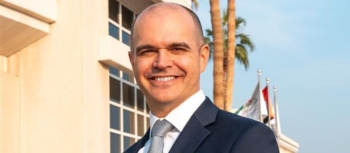
Edarabia had the opportunity to interview Steve Lewis, the Principal of ARKS Diyar, a leading international school in Bahrain. In this interview, Mr. Lewis shares his vision for the school, his thoughts on the future of education, and his strategies for ensuring that all students feel welcome and have the same chances to succeed.
This year we’re excited to start our first IGCSE courses. It’s a great opportunity for us to put together a really interesting set of subject options for our students. We’re going to work with them and our parents to find out what supports their ambitions and future directions and then build a curriculum that’s really tailored towards their skills and interests. Alongside this we’re going to be actively developing our extra-curricular offering. I’m particularly keen to introduce the International Award for our older students to broaden their horizons and to develop the personal skills like resilience and team-working that we all know are so valuable.
The academic focus for any school should be to enable each student to achieve at their very highest level. I’m excited to explore personalised learning through a blended approach to online and face to face lessons – whatever suits the individual best. I’m also keen to see what AI might be able to offer in terms of virtual personal tutoring.
It seems clear that AI is going to radically change assessment strategies. I suspect that coursework and continual assessment will be used less and less frequently, and that traditional exams will enjoy a resurgence, but in digital and online formats.
Keeping students engaged, especially the unmotivated ones, is all about connection and creativity. Good teachers tart by building a positive relationship—show you care about them as individuals. They mix up their teaching with interactive methods like games, discussions, or hands-on activities or relate lessons to real-life scenarios; suddenly, maths becomes useful, or chemistry feels relevant. For students it’s important to celebrate small wins to boost confidence and keep goals achievable. Lastly, teachers should give students a voice—ask for their input on projects or topics. When they feel seen and included, learning becomes way more appealing.
We’re proud to be a welcoming and inclusive school. We have a ‘door always open’ attitude for our parents so they know we’re truly partners with them. Our classes are small so new students don’t feel overwhelmed and can quickly get to know everyone and make friends. We have an excellent social counselling team and they keep an eye on everyone to ensure happiness and wellbeing. Our teachers have great relationships with the students, they know and understand them and if something doesn’t seem quite right they can quickly intervene. They can also tailor lessons to individual needs and interests which helps to develop student love of learning.
Unfortunately bullying (to a greater or lesser extent) is a feature in many schools and workplaces. The important thing is to have quick response and a restorative programme in place to support both the victim and the bully. We have established this at ARKS and although we might still experience low-level bullying from time to time it has definitely declined.
Skills are acquired by doing, so throughout the curriculum we try to build in lots of challenge and opportunities for problem solving, team working, critical thinking and so on. Obviously it helps if you’ve designed your curriculum with this in mind, and we have. We’re looking to the future with subjects like Environmental Management whilst developing the essential skills of numeracy and literacy through the more traditional side of our curriculum. In addition we actively focus on positive personal values such as kindness and respect, so we hope to graduate intelligent, articulate and resilient young people.
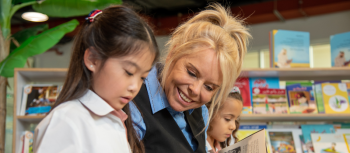
Our parents are very supportive of ARKS. They know that we’re always listening and are quick to respond, so they feel able to contribute to what we offer. It seems to me that the parent body are one of the greatest assets of any school, being able to use their vast experience and wide skill set to support student learning and school development. I can think of many, many examples of this, but one of my favourites is reading with grandparents – something so simple and easy but so powerful and rewarding for readers and listeners alike. The children love it when grandparents come in and the grandparents get real joy from being the storyteller.
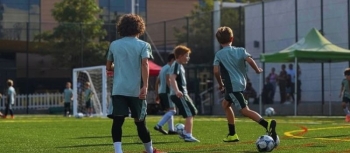
Personally, I have no hesitation about this, it’s Debate Club. Public speaking? Critical thinking? The ability to research and form a solid argument? It’s all there. Debate forces students to see both sides of an issue, which is essential in today’s world of online arguments and disinformation. Plus, it boosts confidence—nothing says “future leader” like someone who can hold their ground in an argument without losing their cool. Also, universities and colleges love debaters because it shows a special mix of intelligence, confidence, reasoning and leadership. Regardless of which path you take in life the skills of public speaking are going to be useful, perhaps even essential. Having said all that, I’m equally sure that it’s a highly personal thing and for some students sports activities, creative arts, music or even something else would be the best choice!
Happy, successful students and staff who navigate life with a sense of joy and a strong moral compass.
Every small act of kindness, courage, or creativity has the power to ripple out and transform the world—starting with you.






 Twitter
Add a Comment
Please do not post:
Thank you once again for doing your part to keep Edarabia the most trusted education source.