With a population of 69,794,997 (2023 est.), Thailand is formerly known as Siam. It is a country at the centre of the Indochinese peninsula in Southeast Asia. Thailand is the world's 50th-largest country. It is the 20th-most-populous country in the world. Education is provided by a well-organized school system of kindergartens, primary, lower secondary and upper secondary schools, numerous vocational colleges, and universities.
Public Universities
Public universities in Thailand are also known as government universities. These universities are supported by the government. Students who wish to study in the university need to pass a nationwide examination.
Autonomous Universities / Private Universities
These universities follow their own administrative structure and system. The university is responsible for the major administrative decisions it makes. These universities can either be privately-held or run by an organization.
Rajabhat Universities system
The Rajabhat system is a group of universities which emerged as colleges. There are 39 universities following this system. Students who wish to study in Rajabhat universities need to do so by direct application. The Suan Sunandha Rajabhat University is a great example of this kind of university system.
The Rajamangala University of Technology system
There are nine universities in Thailand which follow the Rajamangala University of Technology system. This used to be a polytechnic institute system and admission is through direct application.
The Ministry of Education in Thailand oversees the education system in the country. The constitution mandates free basic education of fifteen years (from preschool to high school)
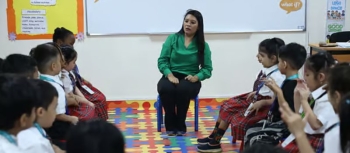
The first nine years of basic education is called primary school. It consists of six years of elementary school and three years of lower secondary school education. Public school education is free until Grade 9.
The government also provides free preschool and three years of upper secondary education which are both non-compulsory. Students in elementary school in Thailand spends about five hours a day, with a maximum of 1000 hours per year. Once students reach age 12, they can start with secondary education (Mattayon 1 - 3). The upper secondary education (Mattayom 4 - 6) is next with three years. After, students can choose to prepare for university of study a vocational school program.
Below is a comprehensive list of all universities in Thailand (Bangkok, Nonthaburi, Nakhon Ratchasima, Chiang Mai, Hat Yai, Udon Thani, Pak Kret, Chaophraya Surasak, Khon Kaen, Ubon Ratchathani, Nakhon Si Thammarat, Nakhon Sawan, Nakhon Pathom, Phitsanulok, Pattaya, Songkhla, Surat Thani, Rangsit, Yala, Phuket, Samut Prakan, Lampang, Laem Chabang, Chiang Rai, Trang, Phra Nakhon Si Ayutthaya, Ko Samui, Samut Sakhon, Rayong, Mae Sot, Om Noi, Sakon Nakhon). Edarabia strives to offer the latest updates, helping you find the best university in Thailand with information on tuition fees, accreditation details, videos, photos, location map, community reviews and ratings.
Edarabia showcases all universities and colleges in Thailand which can be filtered by courses and tuition fees. International students looking to get a degree in Thailand can choose from a diverse range of programs and diplomas and obtain their Bachelor’s, Master’s, PhDs (or MBAs) from some of the top-rated institutions. Some universities also offer online courses through which students can apply for distance learning and get an online degree in certain fields.
Students who require financial aid can apply for scholarships in order to study higher education at a lower cost. Student visas and accommodation are also provided to students at many universities. There are study abroad and exchange programs offered in order to promote language development skills while giving students the opportunity to interact with other cultures around the world. Additionally, each university/college has ratings based on student reviews and are ranked below accordingly.
For more details, please click here







 Twitter