


There’s an ongoing conversation in education around models of learning and teaching, with buzzphrases abound, such as ‘knowledge-rich’, ‘problem-based’ and ‘traditional versus progressive’. But what does any of that actually mean for those at the teaching chalkface?
Depending on where you are in the world, England’s National Curriculum is highly regarded, often used a framework for teachers to follow, and inspiring standards for children to meet.
The curriculum itself is a spiral that allows for stretch and challenge, given the right classroom dynamics. Y1 touches upon both Reception and Y2 and so on, providing access for all abilities that are age- and stage-relevant
Primary-secondary transition
In secondary schools, you’ll usually find a knowledge-rich curriculum in full swing. Some schools may be struggling to fit in all the content required by exam boards, while at the same time being under pressure to avoid homogenised ‘teaching to the test’.
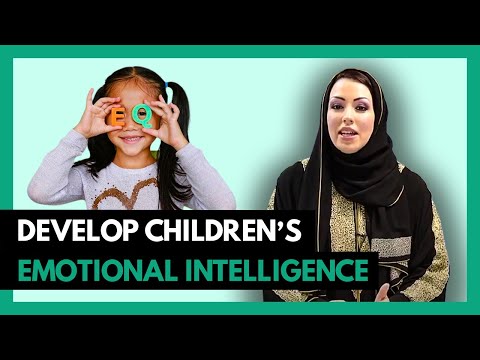
At the centre of this approach is collaborative learning. The wellbeing classes teach children how to handle their emotions and promote a positive mindset, whilst the global skills classes require children to engage with planet-spanning problems such as climate change and food shortages.
Predicting outcomes
Assessment in the OIC uses statements until Y9 (‘Secure’, ‘Developing’ and ‘Extended’), and with the right tracking and information systems, we can predict outcomes in KS4/5. The EYFS, primary and lower secondary curriculums all feed into the skills and knowledge students need to excel in external examinations, while also providing various ‘21st century skills’ that can feel rather nebulous once students reach upper secondary.
We may not all agree on the best approach to use, but most of us will probably concede that a shift in education is long overdue; that the wellbeing of our children is paramount, and just as important as the need to develop innovative, capable individuals who are well-placed to solve humanity’s global problems.
There’s no quick or easy fix to education – any change for the better will have to take effect from the very beginning of a child’s learning journey




 Twitter
Add a Comment
Please do not post:
Thank you once again for doing your part to keep Edarabia the most trusted education source.