


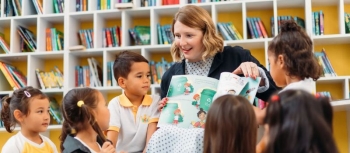
Teaching and learning pedagogies may have developed over the decades, but one thing remains the same and it is at the forefront of education, as well as the perspective of educational leadership – children learn best through play.
As teachers, it’s important to value play-based learning in all year groups throughout the wide range of subjects we teach. If a child can discover concepts through play, including managing their own misconceptions and failures, then they have learned valuable life skills.
Play is an essential part of every child’s life, and it forms their first experiences of early learning, both at home and in school. It gives children the chance to develop physical, social, cognitive, and emotional skills, using a range of resources and locations, that form the foundations of learning in literacy, maths, and social skills. It also gives children the opportunities to explore failure in a fun and positive way, while they learn to develop their idea of a positive growth mindset through problem-solving and developing ideas that have not worked. For example, if a child builds a tower that collapses, it makes them think about their planning, method, and resources before having another try. This teaches a very important skill of self-reflection which they will carry through life, but can also develop their communication, emotional, and social skills.
This form of learning is often looked down on in some schools due to its lack of academic recordings and assessment, and is often overlooked in lessons and timetables due to curriculum and time constraints, but we know it is not ‘just’ play. Play is a powerful and motivational way for children to develop as learners through pursuing their interests, both independently and in a community setting. Children are natural inquirers and can learn more from their own hands-on explorations then they can from simply sitting and listening to a teacher explain topics to them.
As educators, it is our duty to provide the time and resources for children to make these discoveries through planned play and spontaneous play, and offer prompts, questions, and keywords to develop their learning.
Albert Einstein famously said “Play is the highest form of research”, and this teaching concept needs to continue in schools around the world in order to prepare future generations for success.

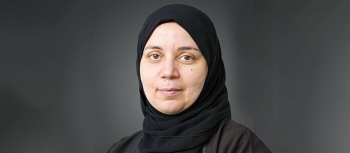
Kathryn Easthope is a passionate educator who works at Newlands School in Al Warqa 1. She has worked in Early Years and Key Stage 1 for the past 5 years, both in the UK and Dubai, and is currently an FS2 teacher and Early Years Leader.
Kathryn believes in educating children to develop their individuality and character, as well as developing positive growth mindsets.





 Twitter
Add a Comment
Please do not post:
Thank you once again for doing your part to keep Edarabia the most trusted education source.