Veterans Day: When It Is, Why It’s Celebrated, History, Traditions, and How Families Can Honor Service
Veterans Day: When It Is, Why It’s Celebrated, History, Traditions, and How Families Can Honor Service
Why Veterans Day Matters
Each year on November 11, the United States pauses to honor the service and sacrifice of military veterans from every branch and era. For families and educators, it’s a powerful opportunity to help children understand the meaning of service, learn essential history, and show gratitude in thoughtful, age-appropriate ways. Whether you’re planning a classroom activity, attending a local ceremony, or simply explaining the day to your child, knowing the history and customs behind Veterans Day will help you observe it with care and confidence.
When Is Veterans Day?
Veterans Day is fixed on November 11 every year, regardless of the day of the week. This date honors the armistice that ended World War I hostilities on the 11th hour of the 11th day of the 11th month in 1918.
- If November 11 falls on a Saturday: Most federal offices observe the holiday on Friday, November 10.
- If November 11 falls on a Sunday: Most federal offices observe the holiday on Monday, November 12.
- Community events and national ceremonies generally take place on November 11 itself.
Planning ahead helps schools and families avoid scheduling conflicts and ensures students can fully engage in learning and service activities connected to the day.
Veterans Day at a Glance: Upcoming Dates
- 2026: Wednesday, November 11
- 2027: Thursday, November 11
- 2028: Saturday, November 11 (observed Friday, Nov. 10)
- 2029: Sunday, November 11 (observed Monday, Nov. 12)
- 2030: Monday, November 11
- 2031: Tuesday, November 11
- 2032: Thursday, November 11
- 2033: Friday, November 11
- 2034: Saturday, November 11 (observed Friday, Nov. 10)
- 2035: Sunday, November 11 (observed Monday, Nov. 12)
History and Meaning: From Armistice Day to Veterans Day
Veterans Day has its roots in the end of World War I. The armistice that silenced the guns in 1918 inspired annual observances around the world. In the United States, the path to today’s holiday unfolded over several decades:
- 1919: The first Armistice Day is marked in the U.S., commemorating peace after World War I.
- 1938: Congress designates November 11 a legal holiday—Armistice Day—dedicated to world peace and World War I veterans.
- 1947–1953: Advocates, including Raymond Weeks of Birmingham, Alabama (often called the “Father of Veterans Day”), and community leaders in Emporia, Kansas, broaden the day to honor all veterans.
- 1954: President Dwight D. Eisenhower signs legislation renaming Armistice Day as Veterans Day to honor American veterans of all wars.
- 1968–1977: The Uniform Monday Holiday Act moves Veterans Day to late October; public confusion follows.
- 1975–1978: Recognizing the date’s historical significance, Congress restores Veterans Day to November 11 beginning in 1978, where it remains.
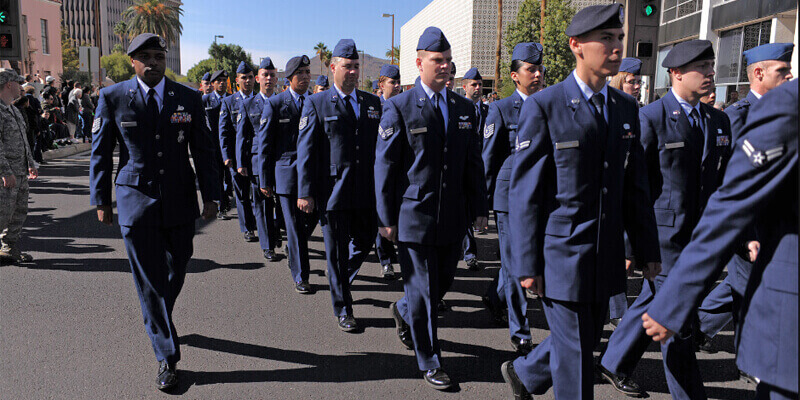
Today, the nation’s official ceremony takes place at Arlington National Cemetery with a wreath-laying at the Tomb of the Unknown Soldier. Many communities hold parades, school assemblies, and services that center on gratitude and remembrance.
Veterans Day vs. Memorial Day vs. Armed Forces Day
- Veterans Day (November 11): Honors all who served in the U.S. Armed Forces—living and deceased. Focus is on appreciation and recognition.
- Memorial Day (last Monday in May): Honors service members who died in military service. It is a day of remembrance and reflection.
- Armed Forces Day (third Saturday in May): Honors those currently serving in the U.S. military.
Flag etiquette differs: on Veterans Day, the U.S. flag is flown at full staff. On Memorial Day, it is flown at half-staff until noon, then raised to full staff.
Traditions, Etiquette, and Respectful Ways to Honor Veterans
Core customs
- Attend a ceremony or parade: Many towns host events on or near November 11.
- Observe a moment of silence: Pause briefly to reflect on service and sacrifice; some institutions observe two minutes of silence on Veterans Day.
- Fly the U.S. flag correctly: On Veterans Day, the flag is flown at full staff; ensure it is in good condition and properly lit if displayed at night.
- Use the correct name: It’s “Veterans Day” (no apostrophe).
Thanking veterans thoughtfully
- Be sincere and specific: “Thank you for your service” is appropriate; you might add, “We appreciate what you and your family have given.”
- Avoid intrusive questions: Do not press for personal stories, especially about combat.
- Offer practical support: Share information about community resources or extend invitations to local events.
Service and giving
- Write letters or create care packages through reputable programs that support service members and veterans.
- Volunteer with local veterans’ organizations, VA medical centers, or community service projects.
- Vet charities before donating; look for clear missions and transparent finances.
What’s Open and Closed on Veterans Day
- Federal offices and courts: Closed.
- USPS post offices: Closed; no regular mail delivery. Private carriers may operate on modified schedules.
- Banks and credit unions: Many are closed; ATMs and online banking remain available.
- Schools: Varies by district; check your local calendar.
- Stock markets: Typically open; U.S. bond markets often closed or on a partial schedule.
- State and local services: DMVs and some government offices are usually closed.
- National parks: Entrance fees are often waived for everyone on Veterans Day; check specific park details before you go.
Tip: Expect increased attendance at ceremonies, museums, and parks; arrive early and plan parking in advance.
Family and Classroom Ideas: Age-Appropriate Ways to Learn and Celebrate
Early learners (Pre-K–Grade 2)
- Read-alouds and picture books that introduce community helpers and the concept of service.
- Create thank-you cards for local veterans or family members who have served.
- Practice flag etiquette through simple activities and songs.
Upper elementary (Grades 3–5)
- Build a simple timeline from 1918 to today to understand why November 11 matters.
- Interview a veteran family member or neighbor using pre-approved, respectful questions.
- Map major U.S. military branches and roles; write short biographies of notable veterans.
Middle and high school
- Analyze primary sources related to the Armistice and the evolution from Armistice Day to Veterans Day.
- Host a panel with veterans, families, and community leaders; include a moment of silence.
- Research veterans’ issues (education, healthcare, transition to civilian life) and present solutions.
For families at home
- Attend a local ceremony together; discuss what each speaker shared and why it resonated.
- Visit a museum or historic site; connect exhibits to family history or local veterans’ stories.
- Cook a meal for a veteran neighbor or participate in a neighborhood service project.
Global Context: Armistice Day and Remembrance Day
On November 11, many countries observe Armistice Day or Remembrance Day, often with two minutes of silence at 11 a.m. Common traditions include wearing red poppies and holding memorial services. The United Kingdom also observes Remembrance Sunday on the closest Sunday to November 11. While practices differ, the shared goal is to honor service and remember sacrifice.
Planning Checklist for Schools and Families
- Six weeks out: Reserve space, invite speakers, connect with local veterans’ groups, and align activities with learning goals.
- Two weeks out: Finalize programs, confirm accessibility and sound needs, and prepare student work or displays.
- One week out: Send reminders to families, practice flag protocol and presentations, and gather materials for thank-you notes.
- Day of: Set up early, greet guests, provide seating for veterans and families, and build in a brief moment of silence.
- Afterward: Share highlights, send thank-yous, and reflect on lessons learned.
Helpful Details and Good-to-Know Etiquette
- Spelling: It’s “Veterans Day,” not “Veteran’s Day” or “Veterans’ Day.”
- Who is a veteran? Generally, anyone who served in the U.S. Armed Forces and was discharged under conditions other than dishonorable.
- Discounts and free meals: Many businesses honor veterans on or around November 11; proof of service (military ID, VA card, DD214, or veteran designation on a driver’s license) is typically required.
- Clothing and symbols: Civilian attire is appropriate at ceremonies. Service-related hats or pins are welcome for veterans; families may wear subtle patriotic colors.
- Photos and social media: Ask permission before photographing veterans; share context respectfully if posting.
What is the origin of Veterans Day?
During the early 20th century, World War I, also known as the “Great War,” ensued. This war marked the first war of such massive proportions like never seen before. However, the war ended when the Treaty of Versailles was signed in France in 1919 but the end of the war was recognized in November 11th, 1918. It was a unique timing of the armistice with Germany on the eleventh hour of the eleventh day of the eleventh month. It was considered the end of “the war to end all wars”.
Woodrow Wilson was the first American president who proclaimed November 11th as Armistice Day, reflecting America’s view of a resolution of the Great War. According to Wilson, America would hold the day in honour with deep reflections about the nation because of those who died in service to the country and with gratitude for all their successes. Additionally, Veterans Day was appreciated due to the fact that it allowed the country to move on with plenty of opportunities to come together with peace. The original idea for this holiday was that it should be held by having parades, public gatherings, and brief suspensions of business hours at 11:00 am.
Congress recognized the end of World War I in 1926 by passing a resolution matching the president’s. As a result, an act was passed by the state on May 13, 1938 which introduced November 11th every year as a legal holiday. This holiday would be celebrated and dedicated to world peace as well as to honour the World War I veterans.
However, following World War II’s requirement of the greatest mobilization of service men ever, from soldiers to pilots and marine officers, in addition to American military personnel fighting other wars across such as the hostility in Korea, the 83rd Congress, urged by multiple veteran organizations, amended the 1938 Act and renamed the holiday Veterans Day. With the approval of this law on June 1st, 1954, November 11th became the official day for honouring all American veterans regardless of the wars they took part in. Later that year, then President Dwight Eisenhower issued the first Veterans Day proclamation and appointed the Head of the Veterans Affairs, Harvey Higley, to lead a committee to work on the observance of the holiday throughout the country.
The Uniform Holiday Bill was signed on June 28, 1968, causing the date to be shifted to October 25th. This was done to create three day weekends which could promote the travel and tourism industries. However, this did not settle well with most states as they continued celebrating this holiday on the original date. On September 20th, 1968, President Gerald Ford signed the law 94-47 which returned the day of observance back to its original date beginning in 1978. From then on, Veterans Day has been observed on November 11th regardless of the day of the week on which this date falls
When is Veterans Day observed across the world?
The most common activities practiced in most nations in celebration of Veterans Day involves holding 1-2 minutes of silence in honor of the fallen at 11:00 a.m. In America, most homes are decorated with the American flag and churches are crowded with congregants praying for those who have passed away. Additionally, this holiday is marked with parades and speeches which are given by veterans themselves among other high ranking people in society. Being a statutory holiday, banks and other official offices are closed. In some regions, people visit the graves of their loved ones who passed away during their service. However, following the commercialization of this holiday, some businesses seize the opportunity and make products that are significant to the commemoration of the fallen soldiers.
Below is a list of regions that also celebrate Veterans Day as well as their traditions.
Canada
Canada celebrates Remembrance Day, the Commonwealth nations’ alternative to Veterans Day. It is celebrated in six provinces and three territories. In some places, such as Manitoba, business is prohibited for some hours between 9:00 am and 11:00 am.
United Kingdom
A two-minute silence is observed throughout Britain and the Royal British Legion distributes poppies for the public to wear on their lapels in honor of their veterans.
France
In France, Armistice Day is celebrated with parades in various parts of the country which usually end at war memorials. Representatives from the memorials lay wreaths at war memorials such as the Ring of Remembrance at the iconic Notre Dame church and the Tomb of the unknown soldier in Paris.
Belgium
In Belgium, this day is marked by observing a minute of silence at 11:00 am, similar to France, and during this time businesses are closed. Additionally, poppies are dropped from the top of the Menin Gate.
New Zealand and Australia
New Zealand and Australia honour their fallen soldiers on Anzac Day which is observed annually on April 25th. Veterans and soldiers typically attend a commemorative service in the morning.
Germany
In Germany, veterans are celebrated on the Sunday closest to November 16th during Volkstrautertag. The German Chancellor reads speeches in front of the assembled members of the diplomatic corps and government officials. Additionally, people sing ‘I had a comrade’ after the German anthem is sung.
Italy
In Italy, Veterans Day is celebrated on November 4th in memory of World War I heroes.
Nigeria
For years, Nigeria celebrated Remembrance Day on November 11th as part of the British Commonwealth. However, today it celebrates its own soldiers, who were victims of its civil war on January 15th.
Why is Veterans Day on November 11?
The date honors the armistice that ended World War I hostilities on November 11, 1918. The United States preserves this historically significant date to recognize the service of all veterans.
What happens if Veterans Day falls on a weekend?
When November 11 falls on a Saturday, the federal holiday is generally observed on Friday, November 10. If it falls on a Sunday, it is observed on Monday, November 12. Many ceremonies still occur on November 11 itself.
How is Veterans Day different from Memorial Day?
Veterans Day honors all who served—living and deceased—while Memorial Day specifically honors those who died in military service. Flag etiquette also differs: full staff on Veterans Day, half-staff until noon on Memorial Day.
Is mail delivered and are banks open on Veterans Day?
USPS post offices are closed and regular mail is not delivered. Many banks and government offices are closed; ATMs and online banking remain available. Private carriers may operate on modified schedules.
What are respectful ways my family can honor veterans?
Attend a local ceremony, fly the U.S. flag properly, write thank-you notes, volunteer or donate to reputable veterans’ organizations, and engage children with age-appropriate books and discussions about service.













 Twitter
Add a Comment
Please do not post:
Thank you once again for doing your part to keep Edarabia the most trusted education source.