


Forget the clichés, schools need to put their money where their mouth is (metaphorically) when it comes to providing high-quality education. Parents aren’t fooled by the new and shiny, we all want to know that the people standing in front of the classroom have the expertise and passion to get the most out of our children.
An easy way to interrogate a school’s focus on the child is to look at their vision and mission. At Dubai British School our mission is “Enjoy, Aspire, Achieve”, encapsulating our hope that all of our students enjoy their time in school, have high aspirations for themselves and, ultimately, achieve their goals, both academic and personal. The people that make this happen are the staff. We refer to it as the social capital of the school – the network of relationships that exist between students and staff. It has a simple, yet profound premise, students will flourish and do better when their adult mentors believe in them. Rosenthal demonstrated this spectacularly in the 1960’s, with what is now known as the Pygmalion effect – when teachers have positive expectations of their students, there is a significant positive impact on their performance. Conversely, when teachers have low expectations of their students, there is a negative impact on performance.
So how can schools ensure that their staff are contributing positively to the organisation’s social capital? Of course, leaders should be doing their best to bring the right staff to the school. Often this is not the most qualified or experienced staff, but people with the right passion and energy to embody and promote the school’s vision. When the word ‘enjoy’ appears in your vision, your teachers should be actively making learning an enjoyable experience.
In a previous research article that I published in 2014, I presented findings that over 75% of teaching staff value organizational synergy and belonging over remuneration, and most would be prepared to move to lower paying jobs to try and find this. Clearly, the calling to become a teacher is associated with people that respond well to intrinsic motivation. School leaders need to tap into this motivation. Collaborative leadership structures that empower staff to take risks and contribute towards the school’s vision, help ensure that staff feel a sense of belonging. Conversely, rigid top-down approaches elicit feelings of detachment from staff – their value is linked to the whims of current perception or the latest initiative.
Often, the best examples of building social capital are the most obvious but least practiced. We are fortunate that the UAE has invested in the mandatory introduction of Positive and Moral Education within all schools. But, at the same time, it’s a pity that it needed to be mandated. The idea that students can do well academically and socially, whilst building confidence and empathy, is not an innovative one – indeed Aristotle philosophized over this a thousand years ago when he wrote: “Educating the mind without educating the heart is no education at all”.
School leaders that focus on the social capital of the school – how their staff model positive relationships with their colleagues and build strong relationships with their students – are getting it right. They are capitalizing on their best asset to make sure that all children under their care are given every opportunity to succeed and, in turn, are learning how to contribute positively towards the social capital in their own lives.
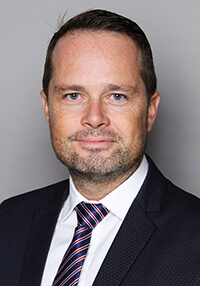
Brendon Fulton currently serves as Principal of Dubai British School, an outstanding UK curriculum school in the Emirates Hills area of Dubai. His background in education began in South Africa in the independent school sector over 18-years ago. Having built a successful career in his home country, Brendon moved with his wife and children to the UK in 2007, before moving into the International School arena in 2011.
With a background in corporate IT, Degree in Psychology and Masters Degree in Education, Brendon has a well-rounded perspective on school leadership and governance, enhanced by holistic experience across a range of different schools in several different countries.
Please do not post:
Thank you once again for doing your part to keep Edarabia the most trusted education source.












 Twitter
Insightful, well written and profound. Very interesting.
By Fay Maytham (Mar, 2018) |